EN:
It is believed that Jews began settling in Kelmė, as in other towns in Samogitia, during the first half of the 17th century through the 18th century. Their status was strengthened by a privilege granted to the Jews of Samogitia on November 21, 1669, by Mykolas Kaributas Višnioveckis, the ruler of Lithuania and Poland. It allowed them to trade freely, practice their crafts, practice their religion, and maintain a cemetery.
By the second half of the 18th century, a large community was already living in Kelmė: 1,019 Jews are mentioned in 1764. By the end of the 19th century, they constituted the majority of the town’s population—according to the 1897 general census of the Russian Empire, out of 3,914 residents of Kelmė, 2,710, or 69 percent, were Jewish. Community members were primarily engaged in trade and crafts. The town had a wooden synagogue, several beit midrashim—houses of prayer and religious study—charitable organizations, and schools.
Rabbi Simcha Zisl Ziv-Broida, known as the Alter of Kelmė, brought particular fame to Kelmė in the Jewish world. In 1862, he founded the Kelmė Talmud Torah—one of the most renowned yeshivas of the Musar movement in Lithuania. Its mission was not only to deepen knowledge of the Torah but also to cultivate moral character, self-reflection, and responsibility for one’s own behavior.
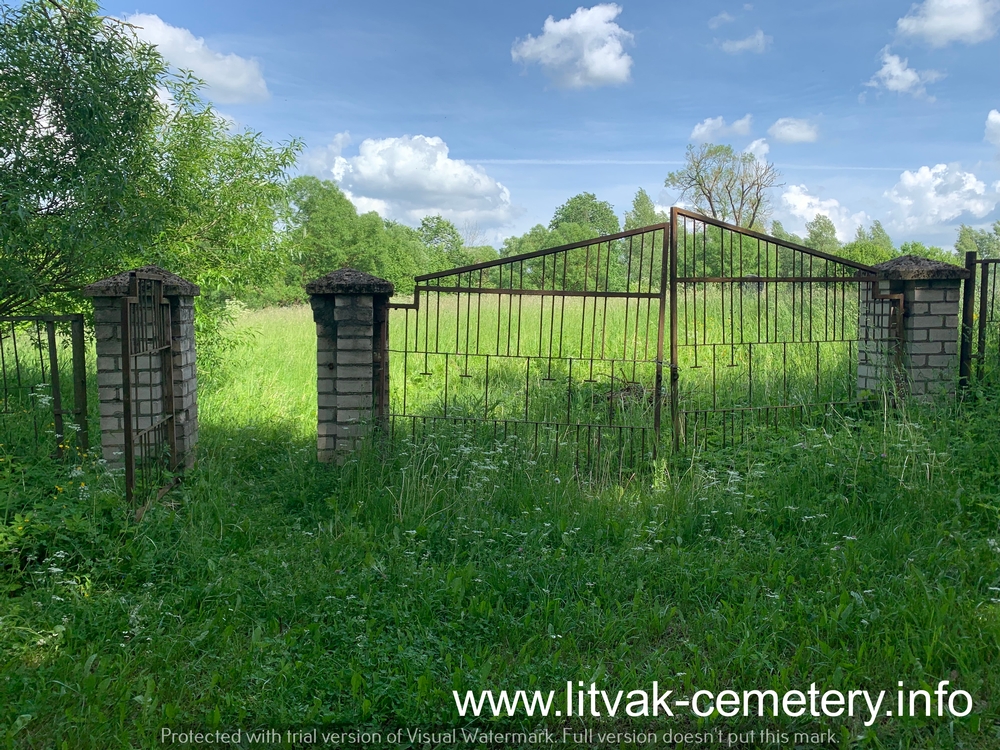
The old Jewish cemetery was established on the other side of the Kražantė River, beyond what was then Raseinių Street. The Kelmė Memorial Book mentions the cemetery’s brick gate with a Hebrew inscription reading “Beit Olam le-kol chai,” meaning “A place of eternal rest for all.” The cemetery caretaker’s family home stood at the entrance.
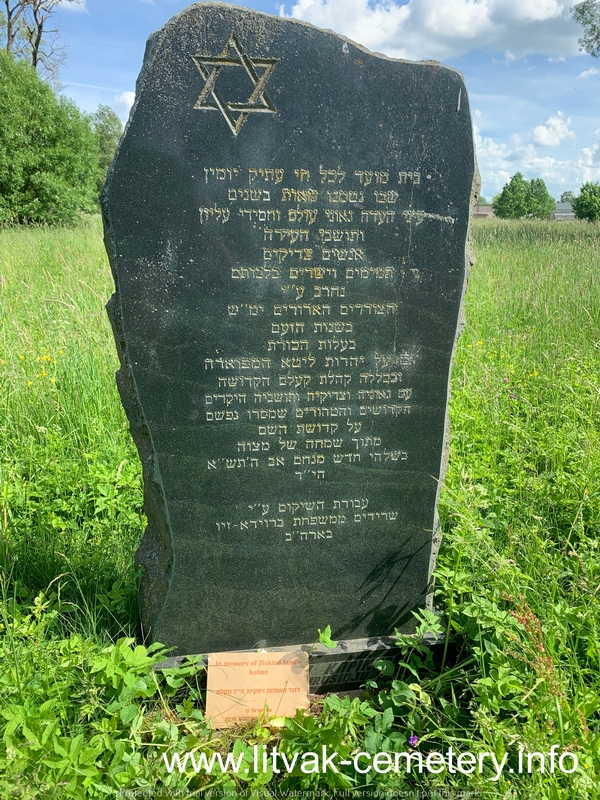
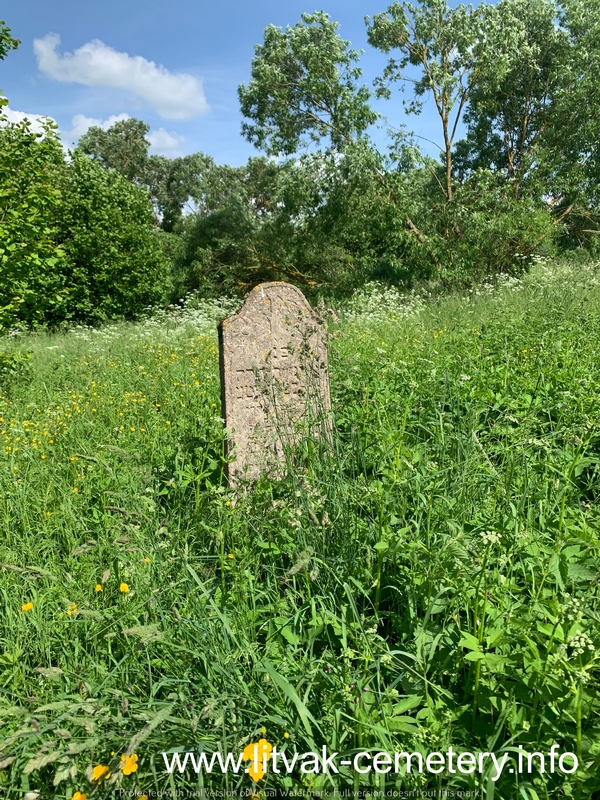
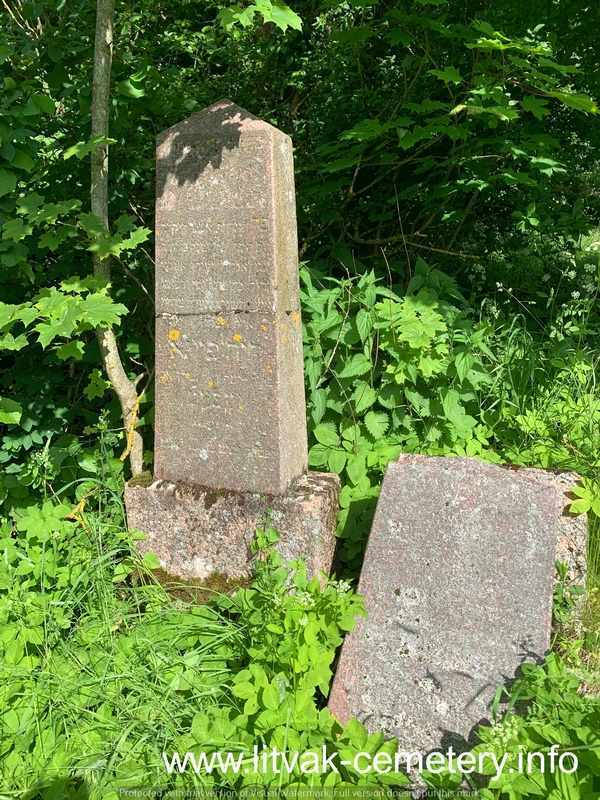
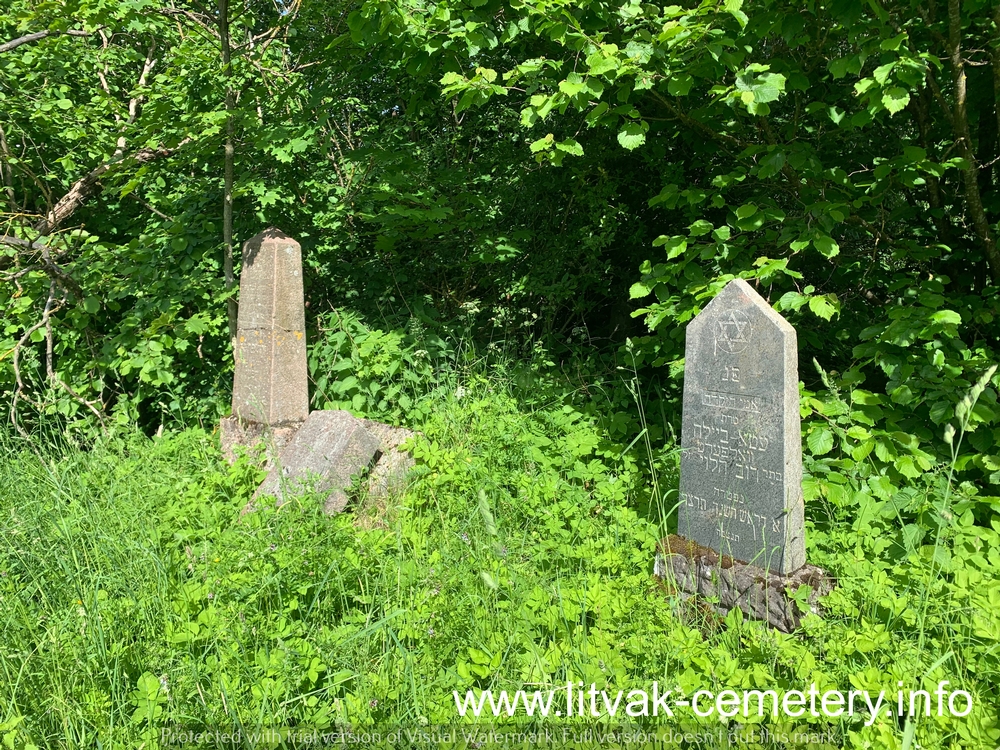
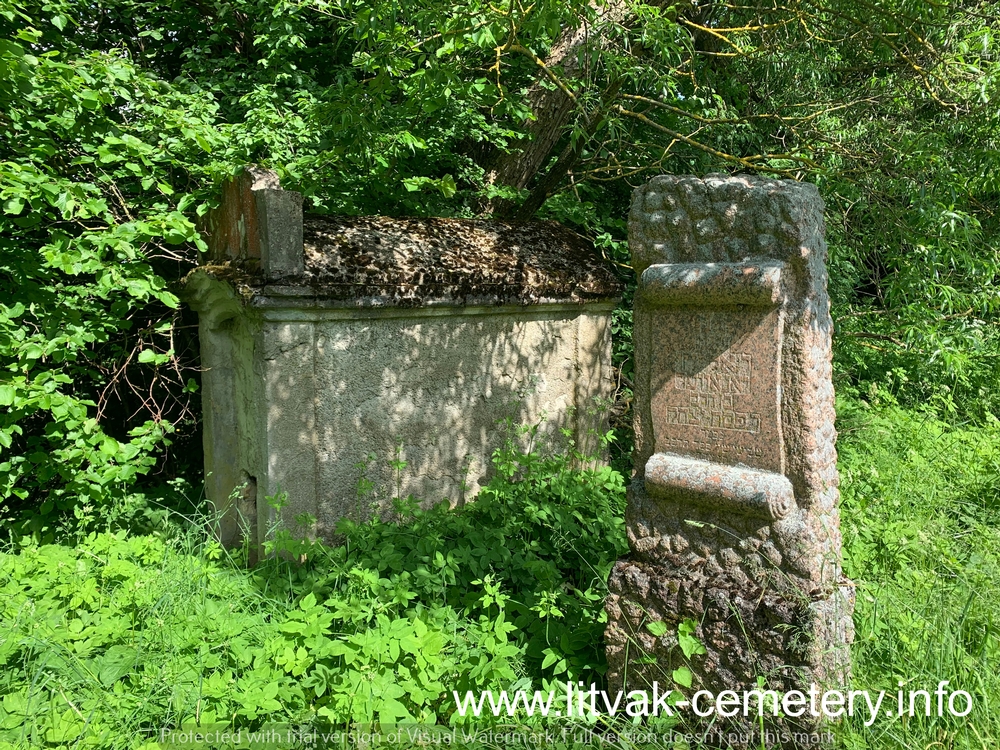
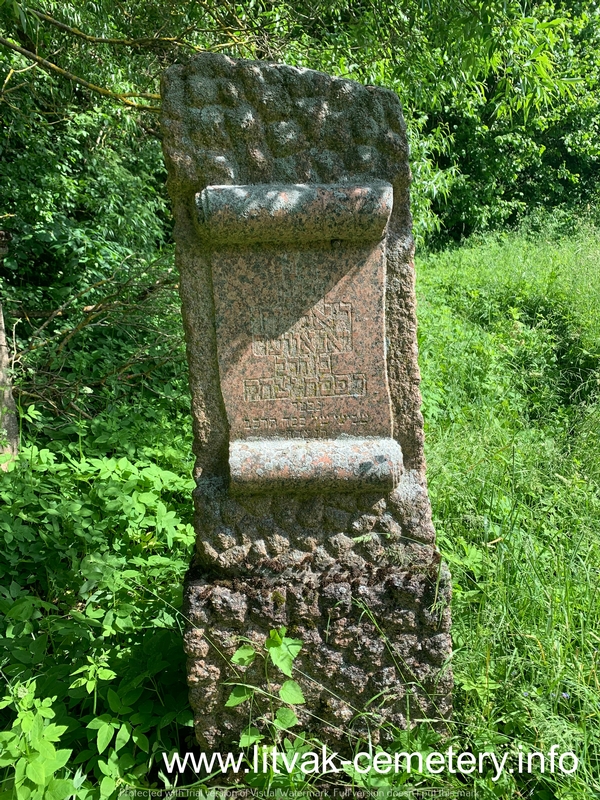
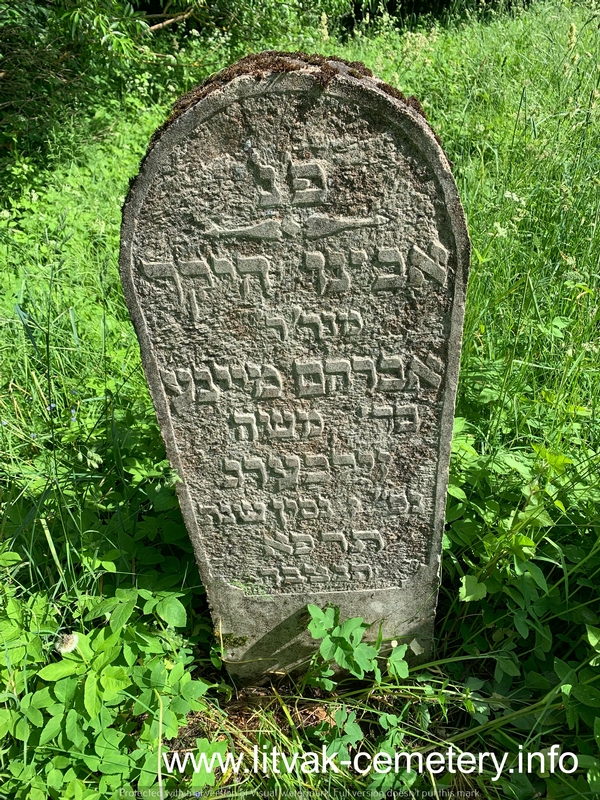
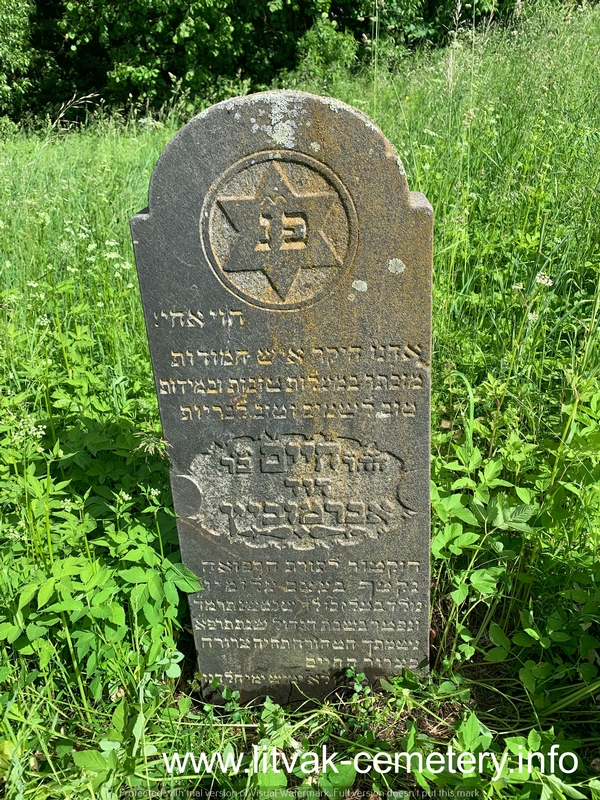
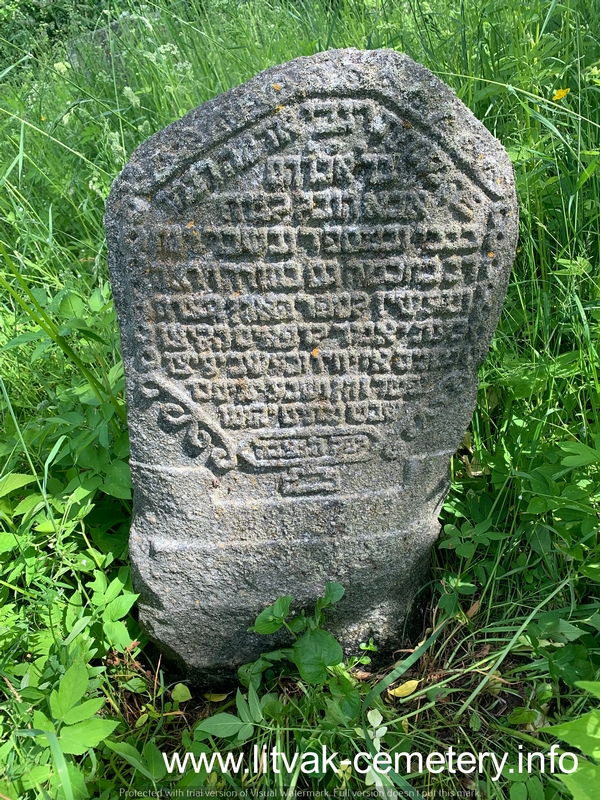
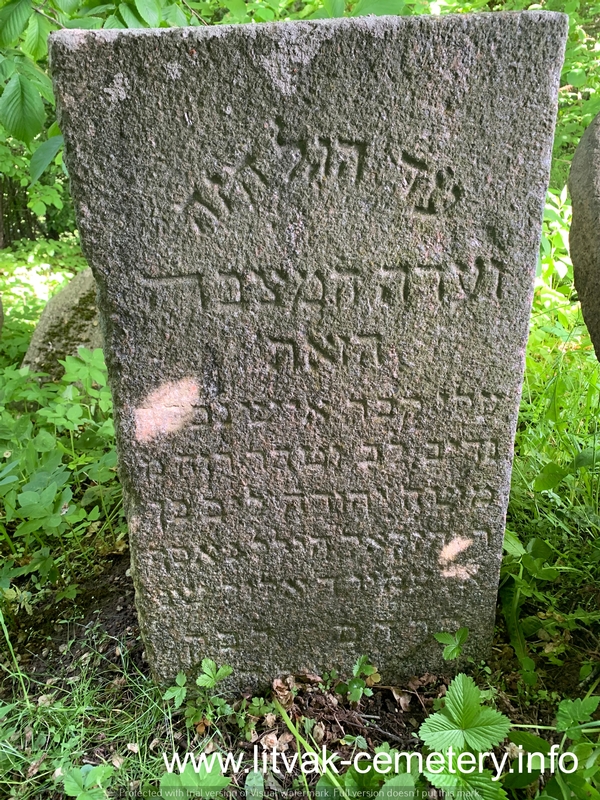
The cemetery was likely first used in the 18th century and remained in use until the destruction of the Kelmė Jewish community during the Holocaust. People from different generations and social classes were buried there. The graves of prominent rabbis and religious authorities were marked by ohelim. An ohel marking the grave of Alter of Kelmė still stands in the cemetery today. During the Soviet era, the cemetery’s layout was altered, and a bakery was built on its outskirts. In 2015, the cemetery was entered into the Register of Cultural Heritage of the Republic of Lithuania.
From August 2–9, 2026, Maceva, in collaboration with the German organization “Aktion Sühnezeichen Friedensdienste,” organized a documentation camp. Twelve volunteers from Germany, Israel, Lithuania, and Belarus cleaned the monuments, restored the inscriptions, numbered them, and photographed them. A total of 633 gravestones were documented during the camp.
The documentation efforts were supported by the Goodwill Foundation and the Embassy of the Federal Republic of Germany in Vilnius.
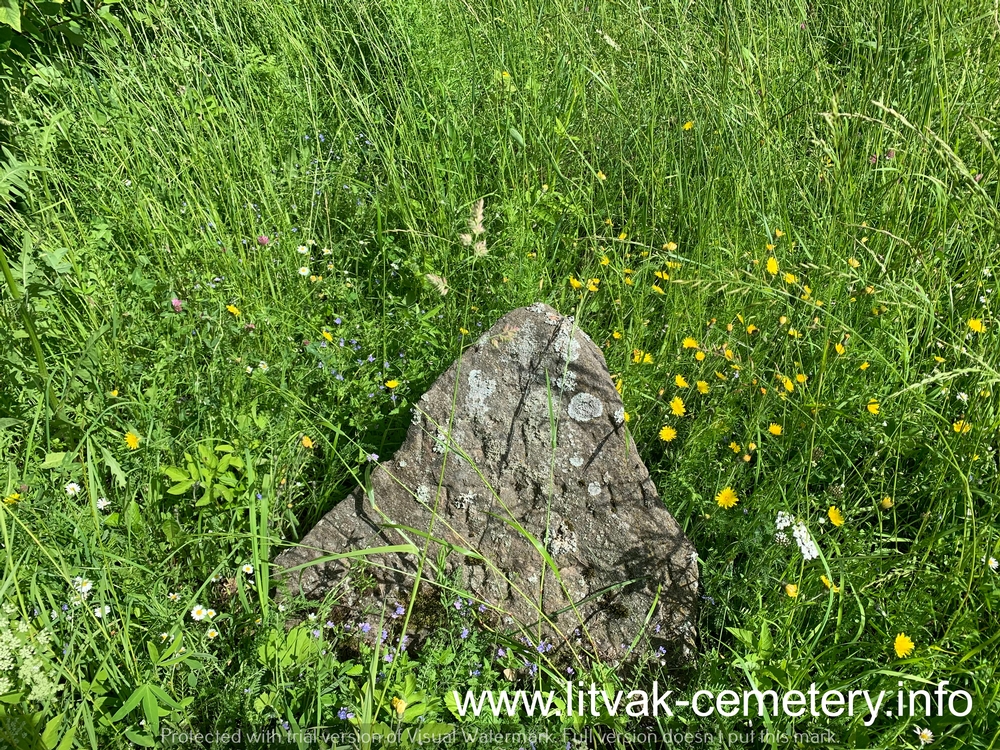
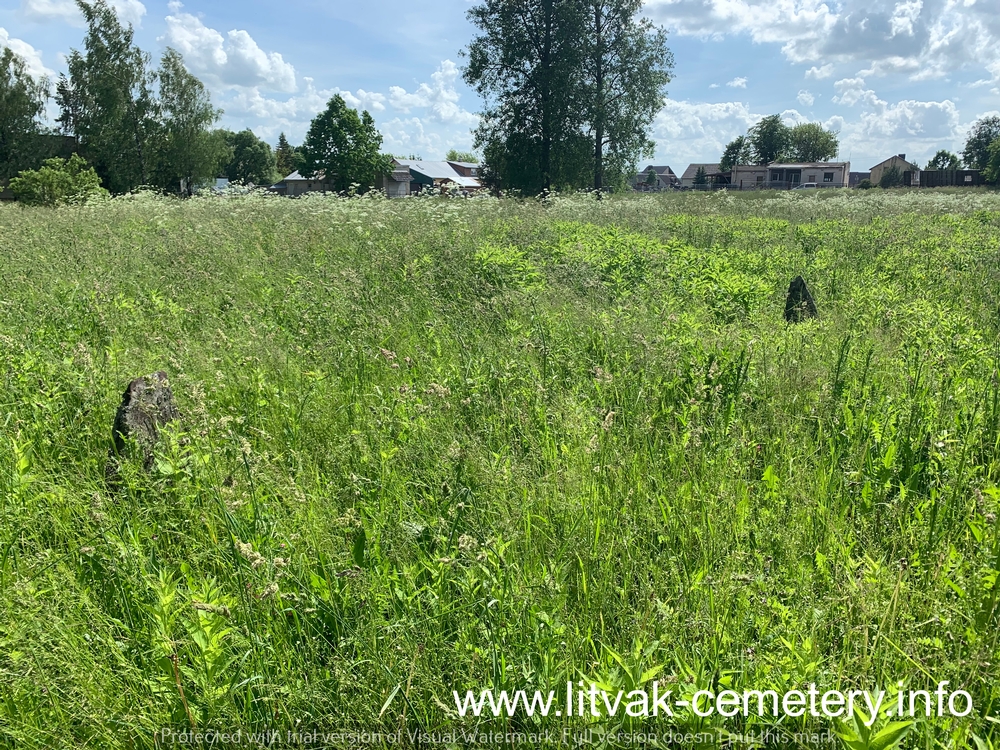
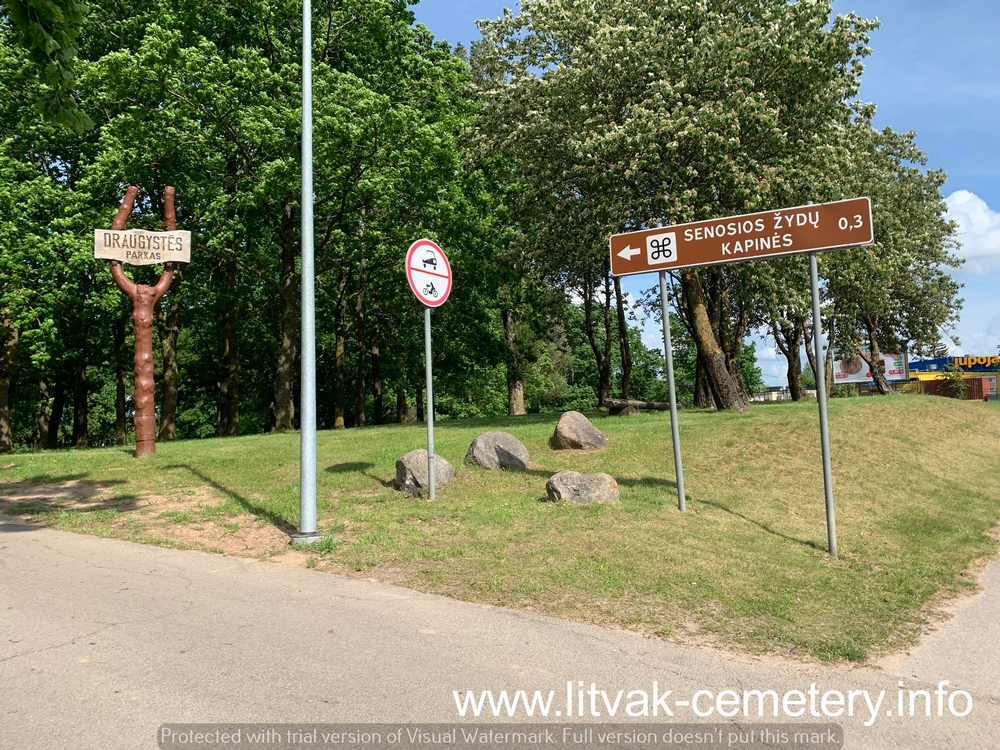
General view photos by M. Jakulytė, 2022
LT:
Manoma, kad žydai Kelmėje, kaip ir kituose Žemaitijos miesteliuose, pradėjo kurtis XVII a. pirmoje pusėje–XVIII amžiuje. Jų padėtį sustiprino 1669 m. lapkričio 21 d. Lietuvos ir Lenkijos valdovo Mykolo Kaributo Višnioveckio Žemaitijos žydams suteikta privilegija. Ji leido laisvai prekiauti, verstis amatais, išpažinti savo religiją ir turėti kapines.
XVIII a. antrojoje pusėje Kelmėje jau gyveno gausi bendruomenė: 1764 m. minimi 1 019 žydų. XIX a. pabaigoje jie sudarė daugumą miestelio gyventojų – 1897 m. visuotinio Rusijos imperijos gyventojų surašymo duomenimis, iš 3 914 Kelmės gyventojų 2 710, arba 69 proc., buvo žydai. Bendruomenės nariai daugiausia vertėsi prekyba ir amatais. Miestelyje veikė medinė sinagoga, keli beit midrašai – maldos ir religinių studijų namai, labdaros organizacijos bei mokyklos.
Kelmę žydų pasaulyje ypač išgarsino rabinas Simcha Zislas Zivas-Broida, vadinamas Kelmės Alteriu. 1862 m. jis įkūrė Kelmės Talmud Torą – vieną žymiausių Musaro krypties ješivų Lietuvoje. Joje buvo siekiama ne vien gilinti Toros pažinimą, bet ir ugdyti žmogaus moralines savybes, savistabą bei atsakomybę už savo elgesį.
Senosios žydų kapinės buvo įkurtos kitapus Kražantės, už anuometės Raseinių gatvės. Kelmės memorialinėje knygoje prisimenami mūriniai kapinių vartai su hebrajišku užrašu „Beit Olam le-kol chai“, reiškiančiu „Amžino poilsio vieta visiems“. Prie įėjimo stovėjo kapinių prižiūrėtojo šeimos namas.
Kapinės tikriausiai pradėtos naudoti XVIII amžiuje ir veikė iki Kelmės žydų bendruomenės sunaikinimo per Holokaustą. Jose buvo laidojami skirtingų kartų ir socialinių sluoksnių žmonės. Iškilių rabinų bei religinių autoritetų kapus žymėjo oheliai. Kapinėse iki šiol stovi Kelmės Alterio kapą žymintis ohelis. Sovietmečiu kapinių teritorija buvo pakeista, o jos pakraštyje pastatyta kepykla. 2015 m. kapinės įrašytos į Lietuvos Respublikos kultūros vertybių registrą.
2026 m. rugpjūčio 2–9 d. Maceva kartu su Vokietijos organizacija „Aktion Sühnezeichen Friedensdienste“ surengė dokumentavimo stovyklą. Dvylika savanorių iš Vokietijos, Izraelio, Lietuvos ir Baltarusijos, paminklus valė, ryškino įrašus, numeravo ir fotografavo. Stovyklos metu užfiksuoti 633 antkapiniai paminklai.
Dokumentavimo darbus parėmė Geros valios fondas ir Vokietijos Federacinės Respublikos ambasada Vilniuje.
Bendros nuotraukos M. Jakulytės, 2022 m.