EN:
At the beginning of the 18th century, there were no Jews in Joniškis, but they lived and traded in the surrounding villages, and by the end of the 18th century, there were already 88 Jews mentioned in the town. As the community grew, Jews were allowed to build a synagogue and establish a cemetery. Although the exact number of residents at that time is unknown, it is clear that they constituted a significant part of the town. In the 19th century, the community had its own school and three synagogues, and trade became the most important activity: markets and horse fairs were held in Joniškis, attracting merchants from as far away as Latvia, Germany, Russia, and Poland. Some families rented gardens (especially at the end of Mintaujos/Livonijos Street), grew vegetables, and transported them to Riga or Mintauja (now Jelgava) to sell, while others worked as carriers. At the beginning of the 20th century, Jewish shops occupied the central part of the town, with buildings – shops, tea rooms, and residential houses – springing up on Livonijos, Upytės, and Šiaulių streets. there were two synagogues and prayer houses, and the "white" (1823, plastered white) and "red" (1865, red brick) synagogues formed a synagogue complex. Between the wars, the community was economically and culturally active: craftsmen were working in the city (tailors, butchers, shoemakers, etc.), their union was active, the Jewish People’s Bank (Folksbank) played a significant role, and in 1939, 38 of the city’s 110 telephones belonged to Jews. In 1920, a Hebrew school, kindergarten, and library were established, lecture and drama clubs were active, and there were prominent Zionist organizations and religious life centered in houses of prayer and societies.
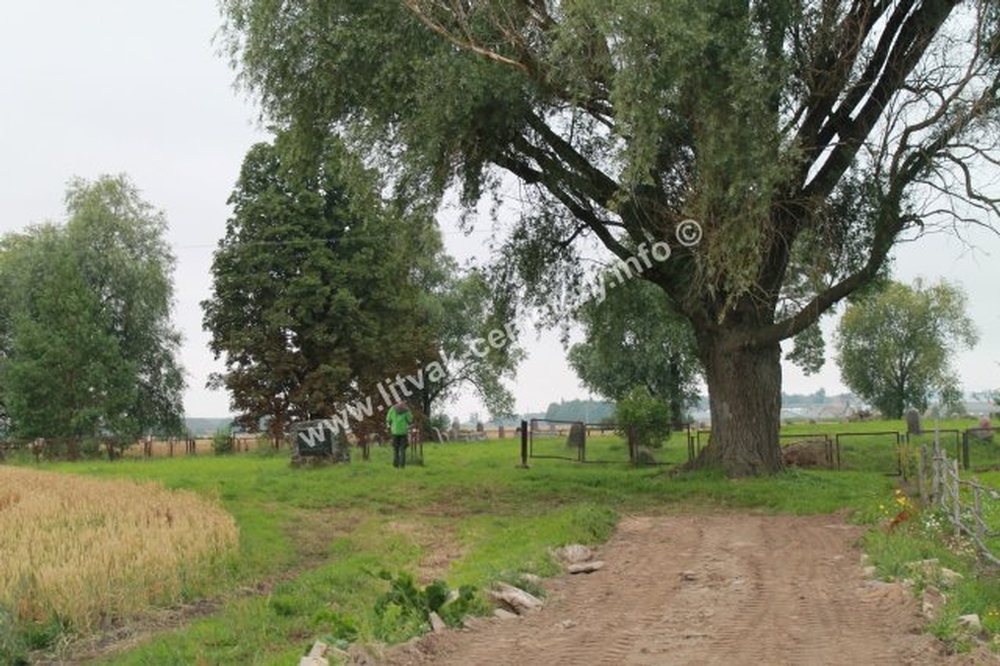
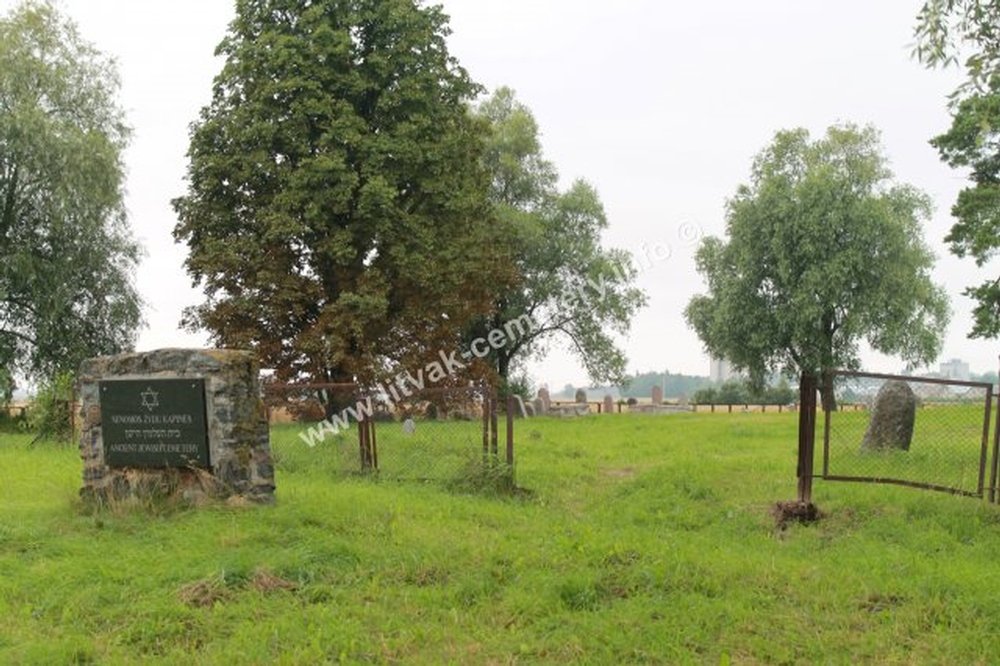
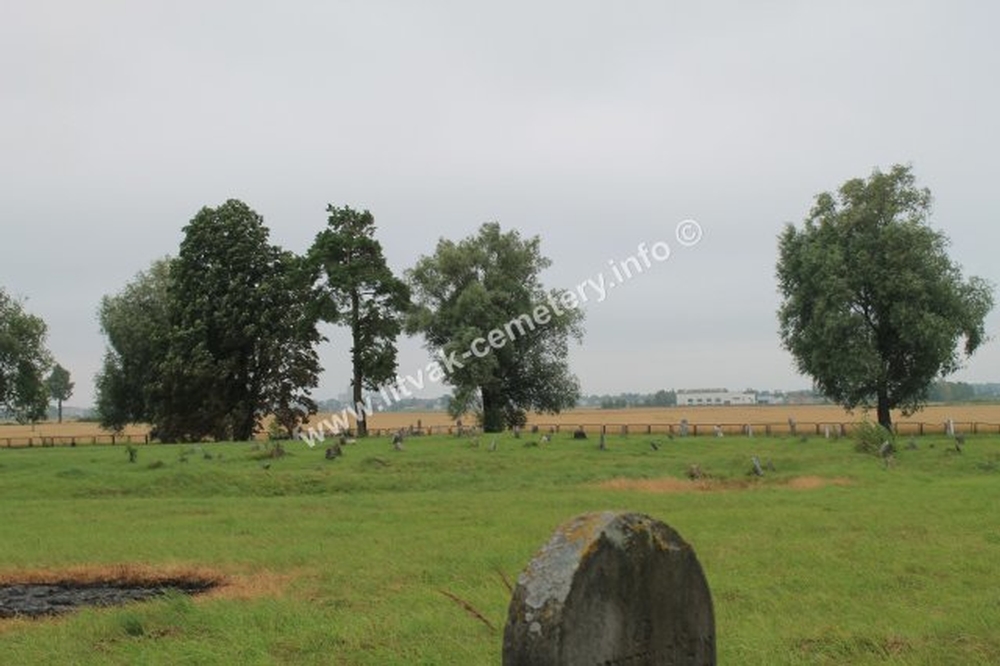
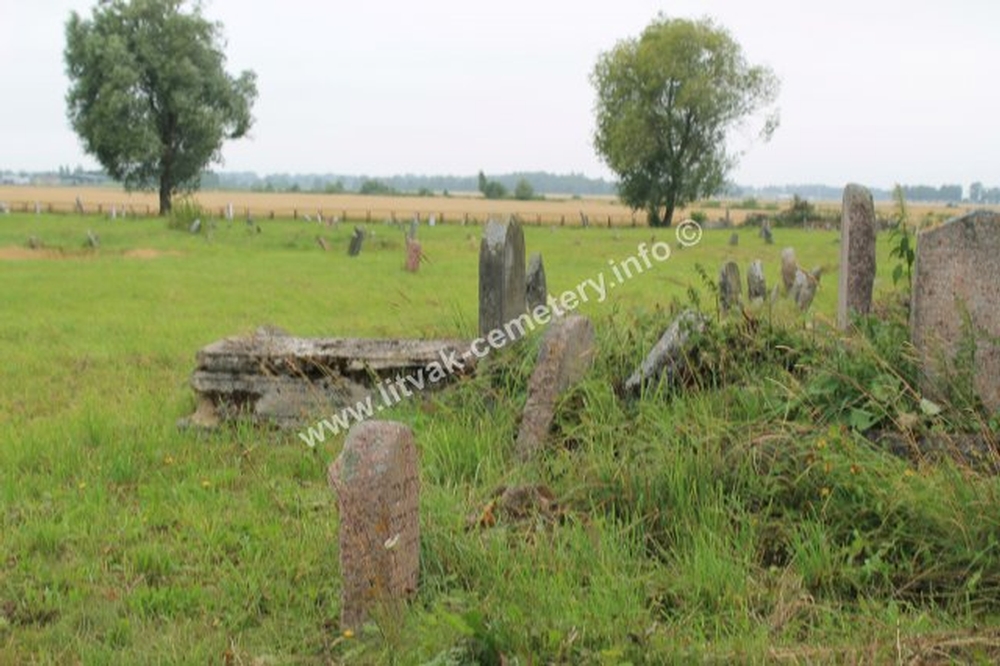
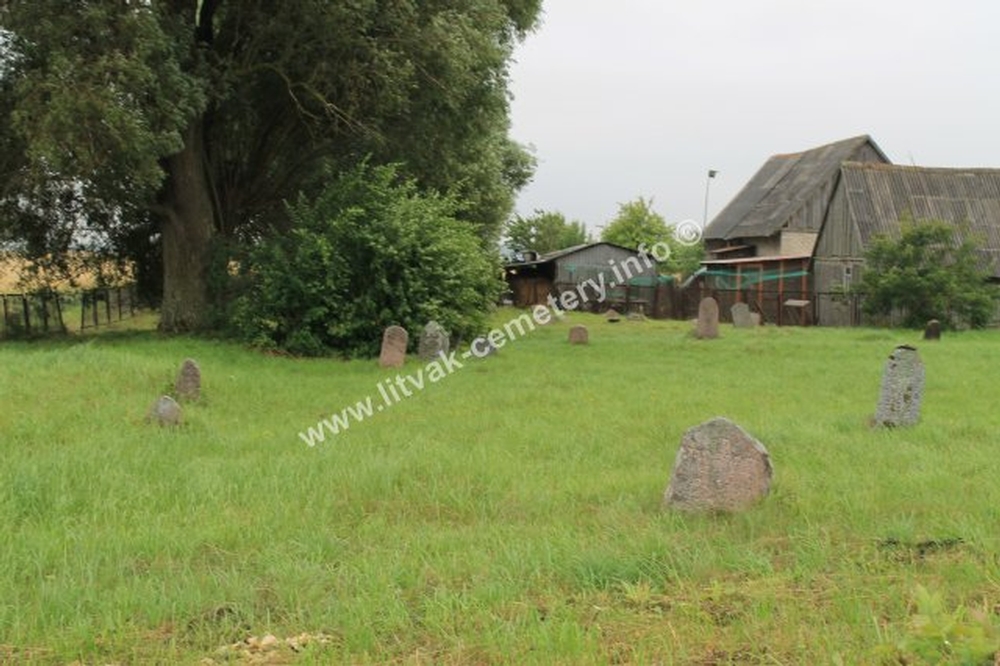
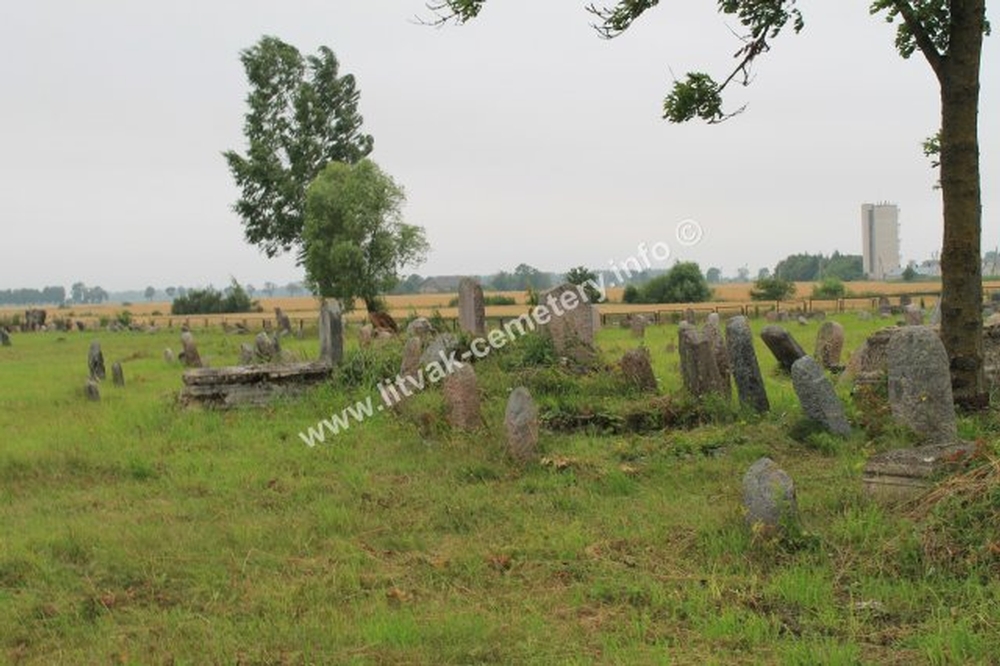
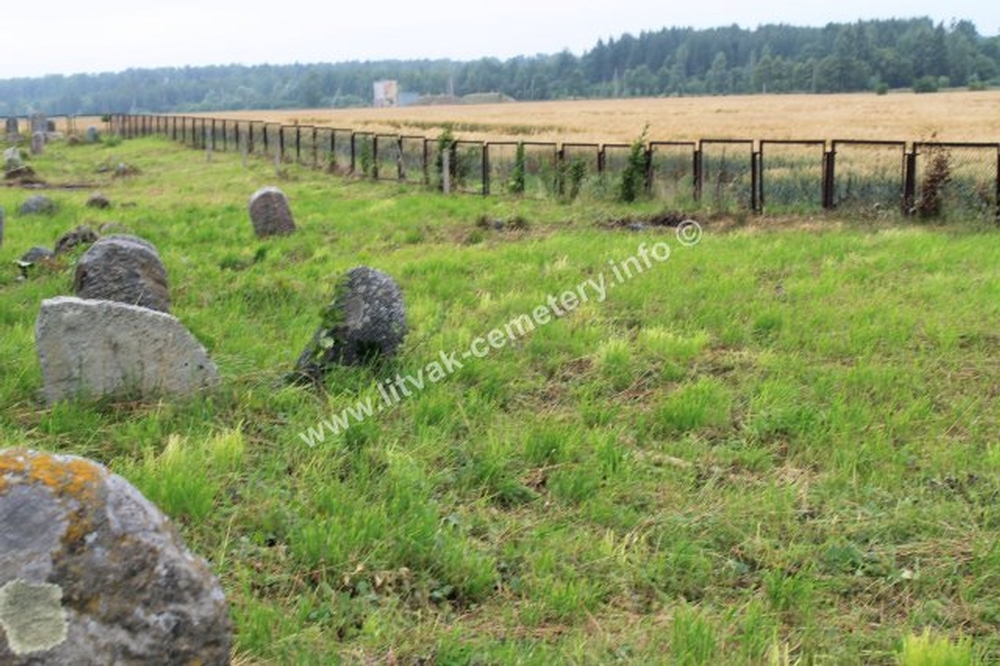
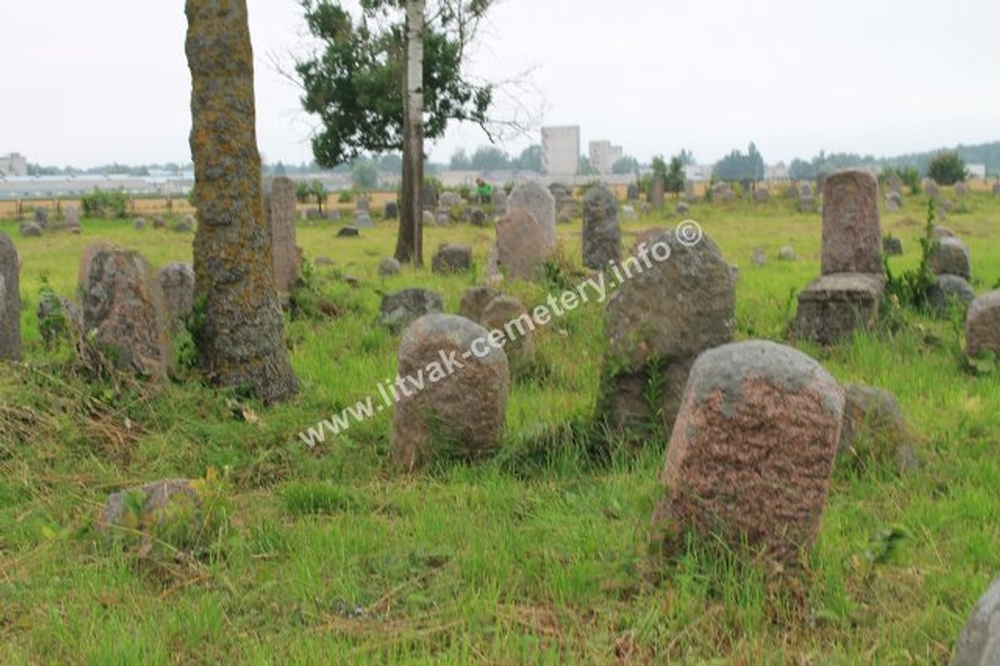
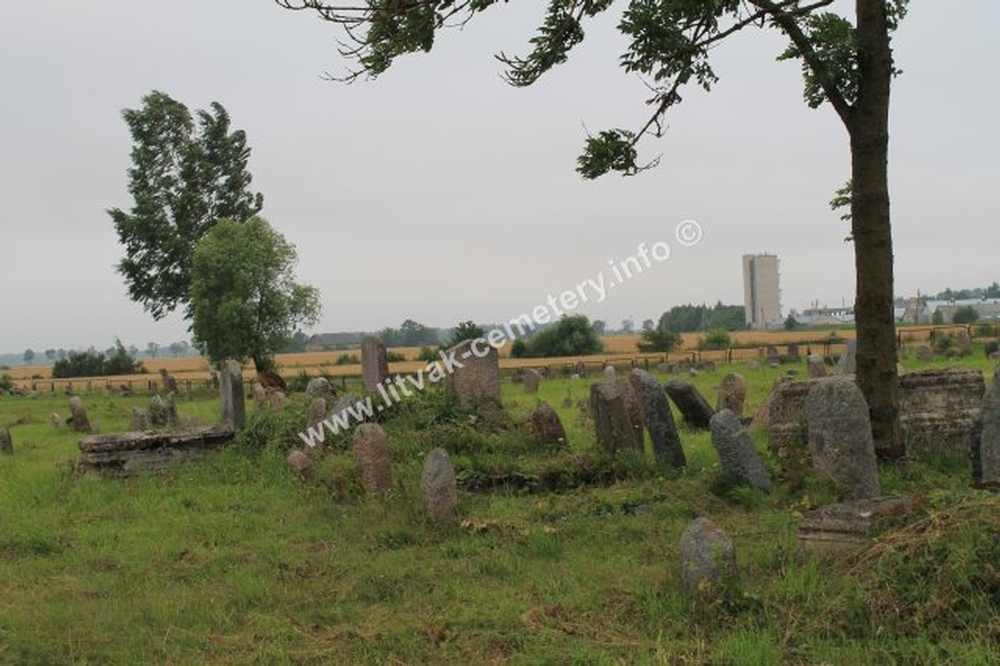
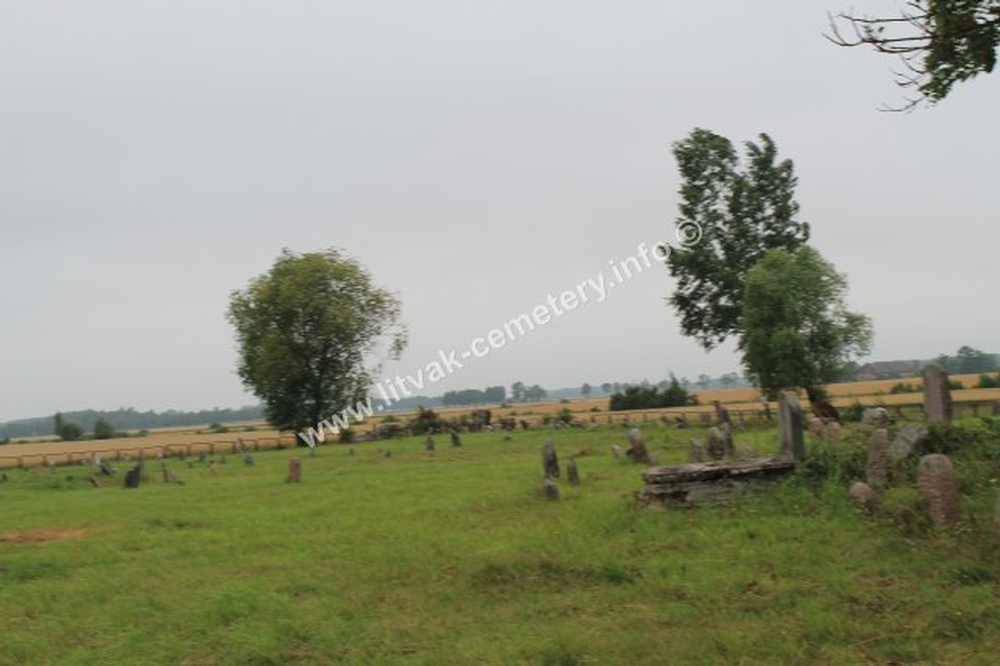
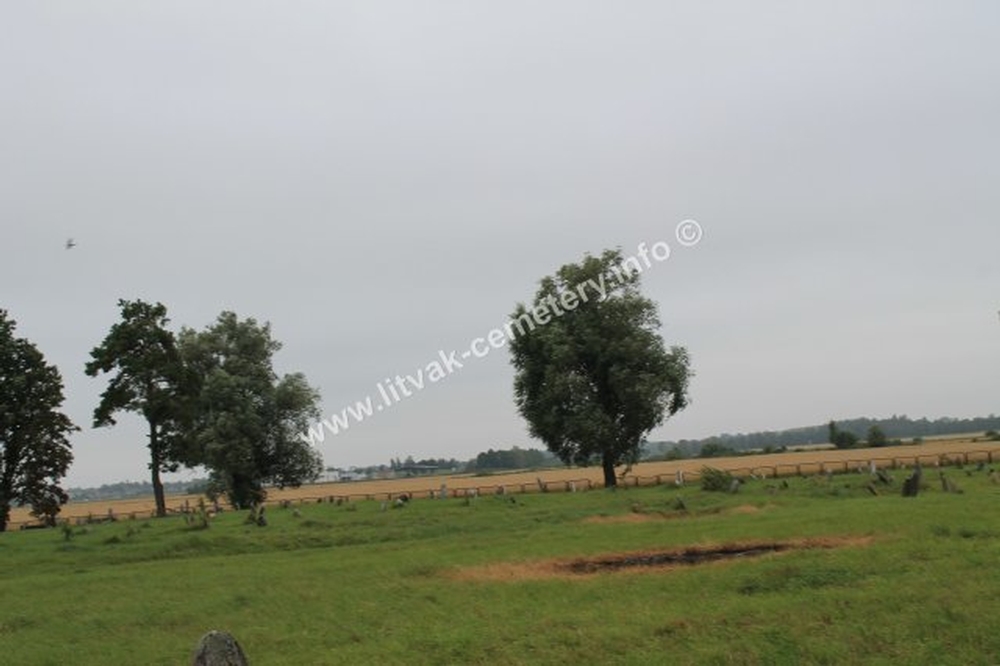
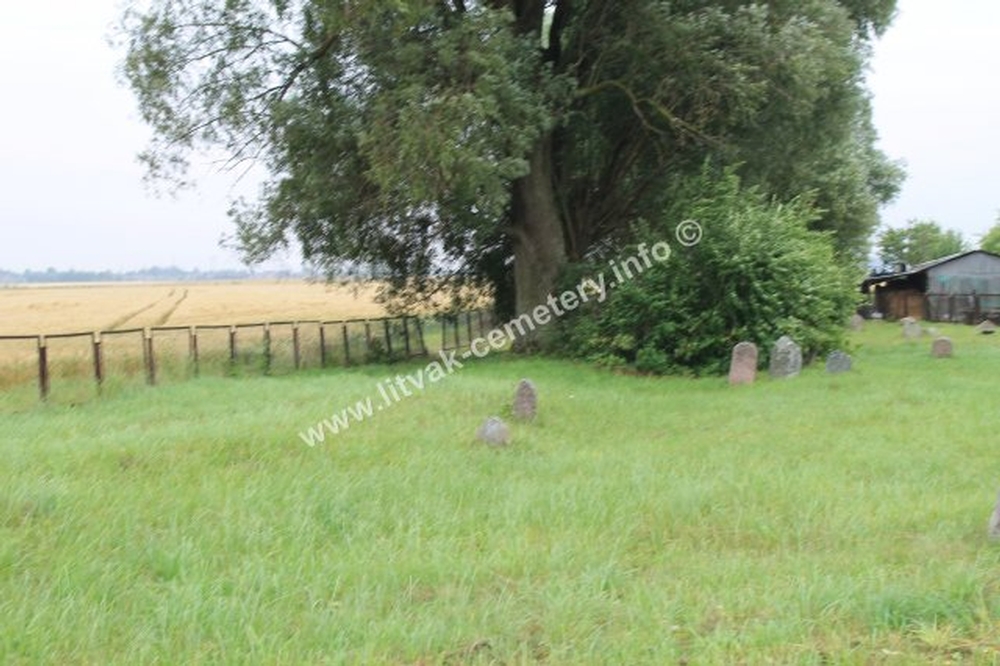
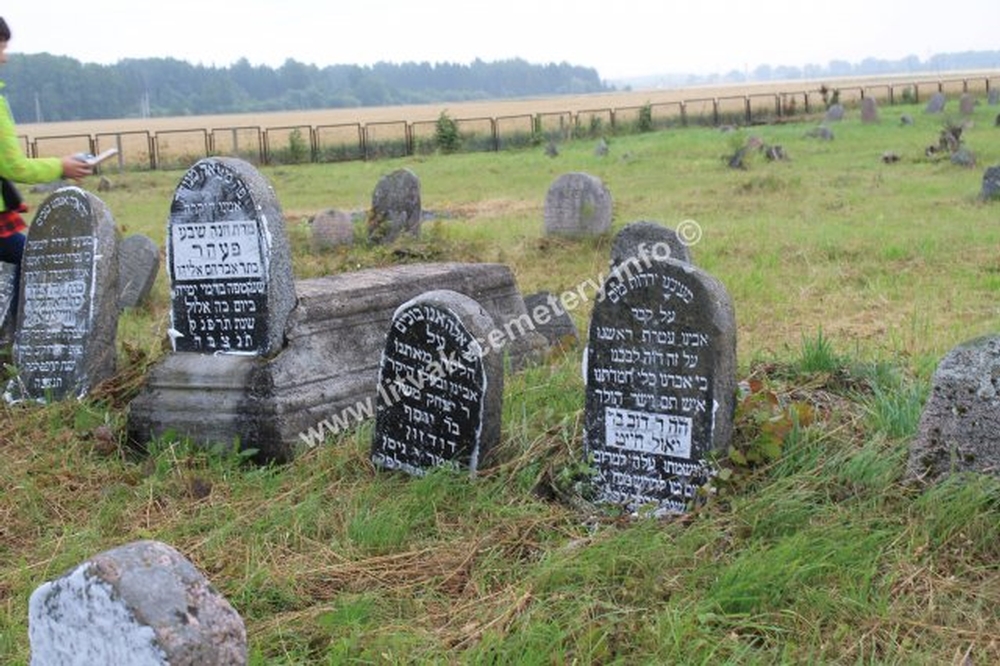
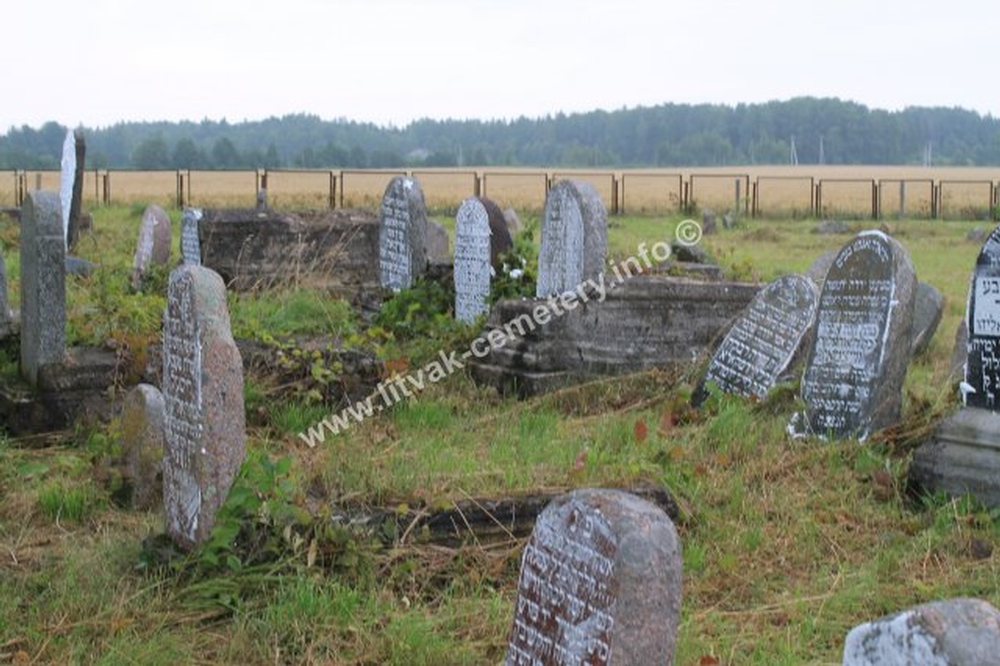
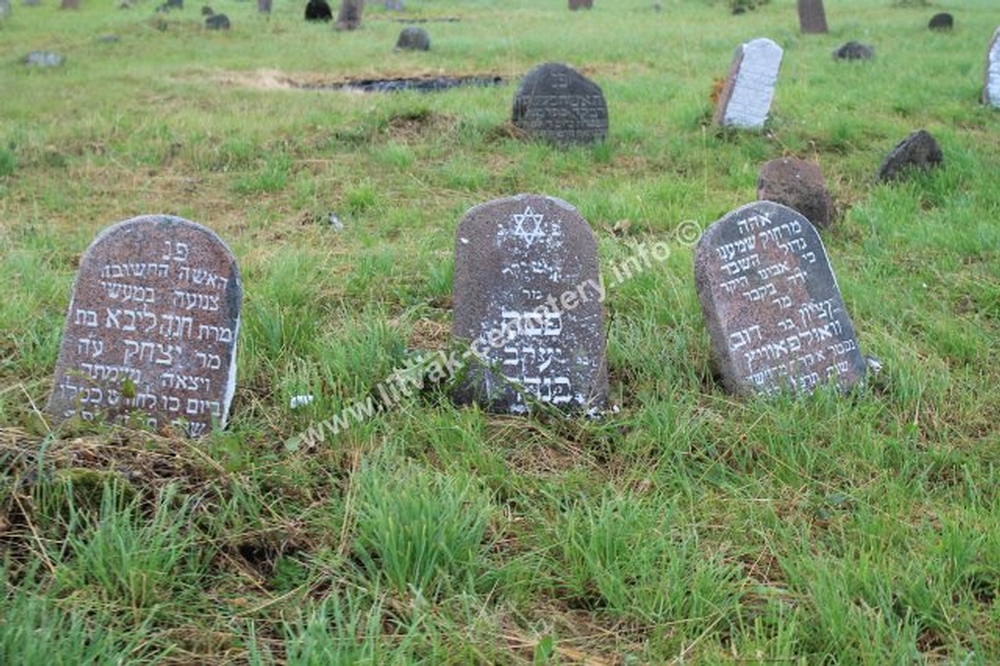
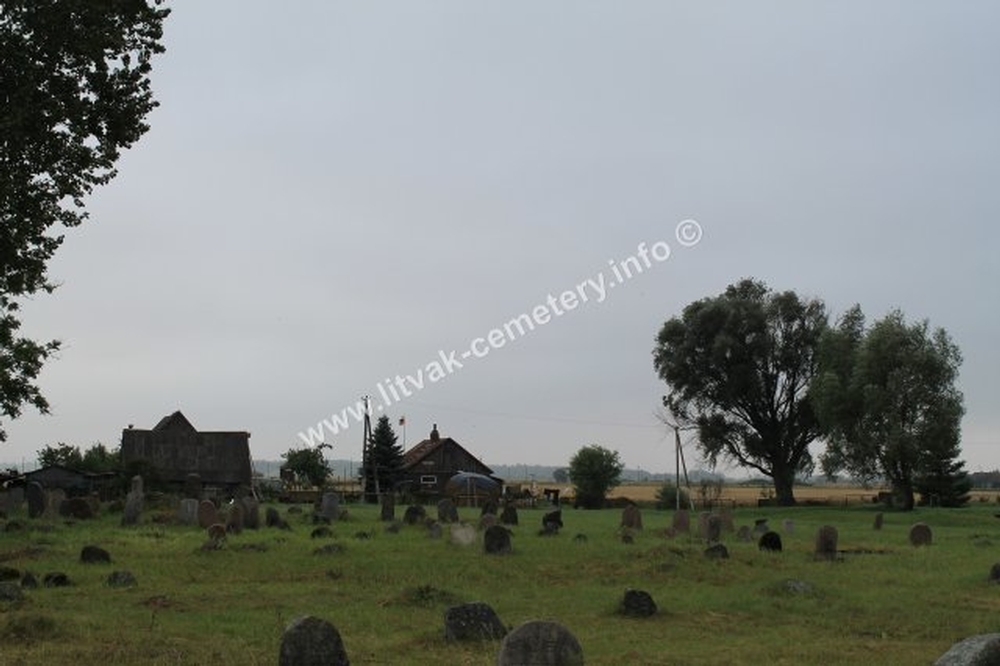
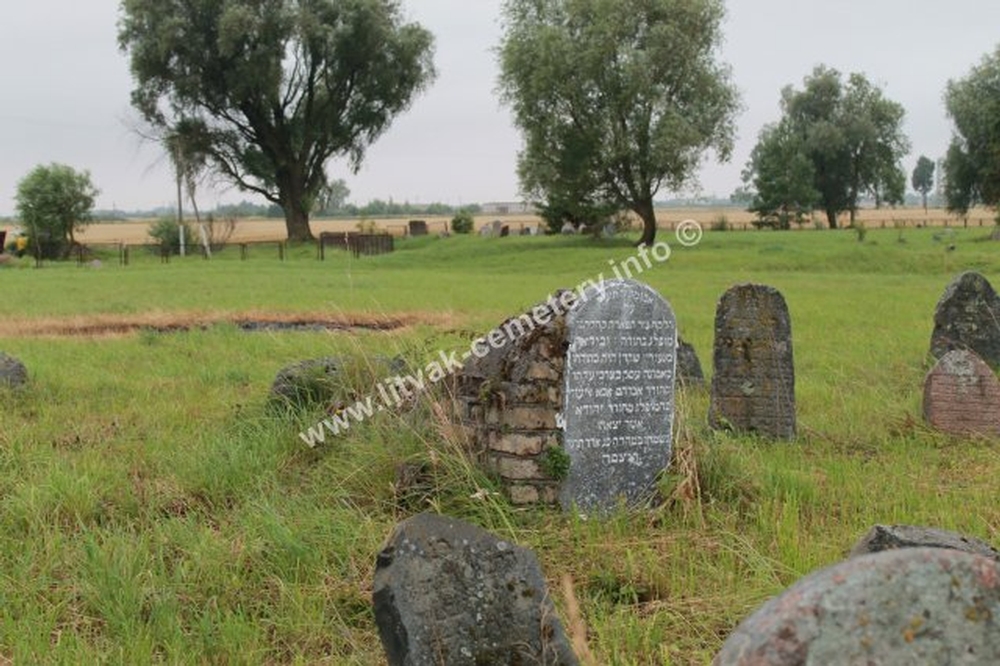
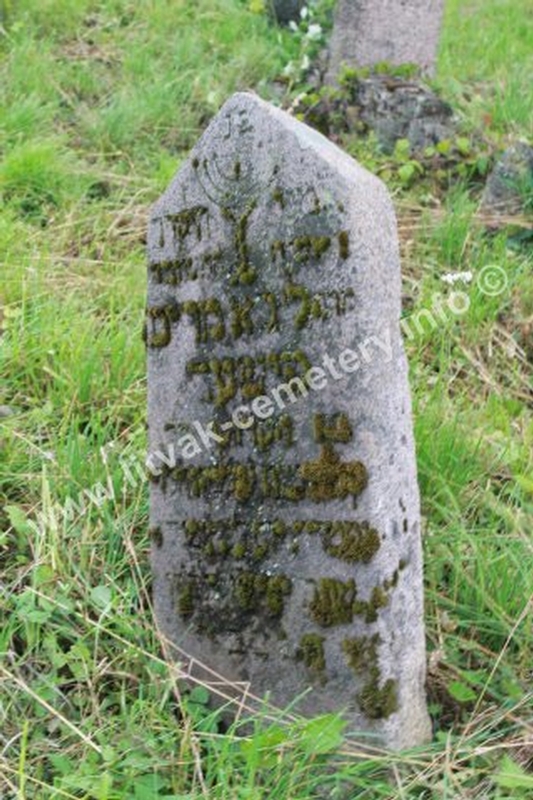
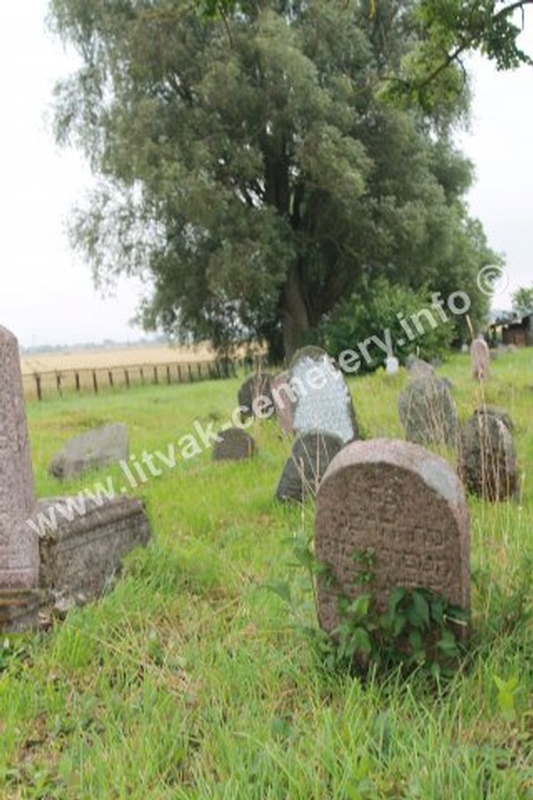
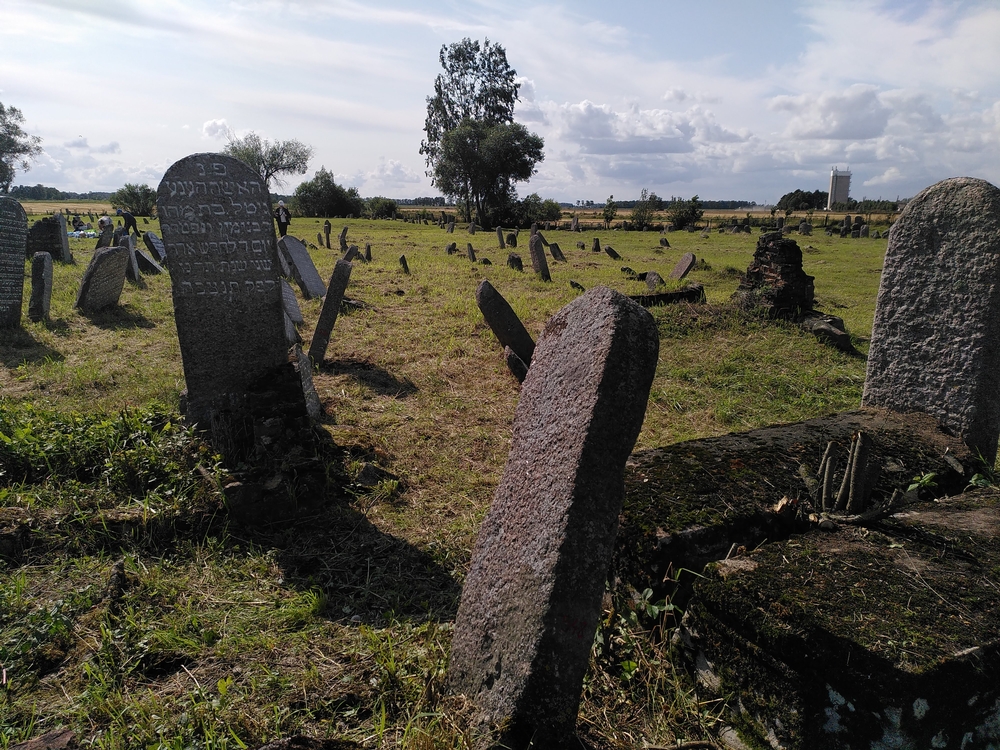
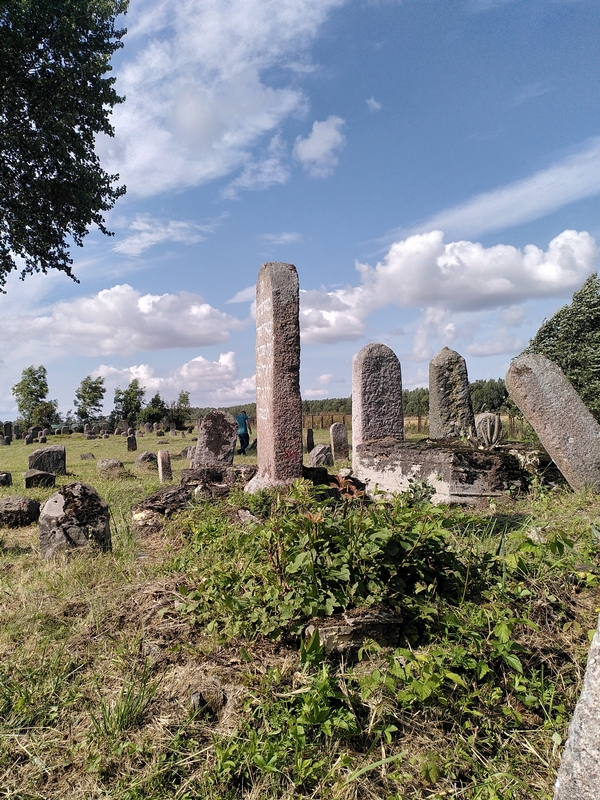
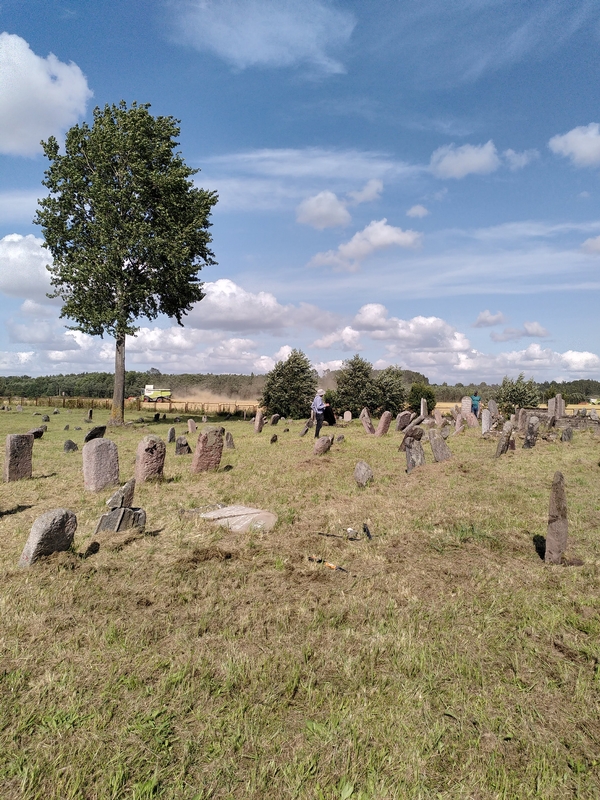
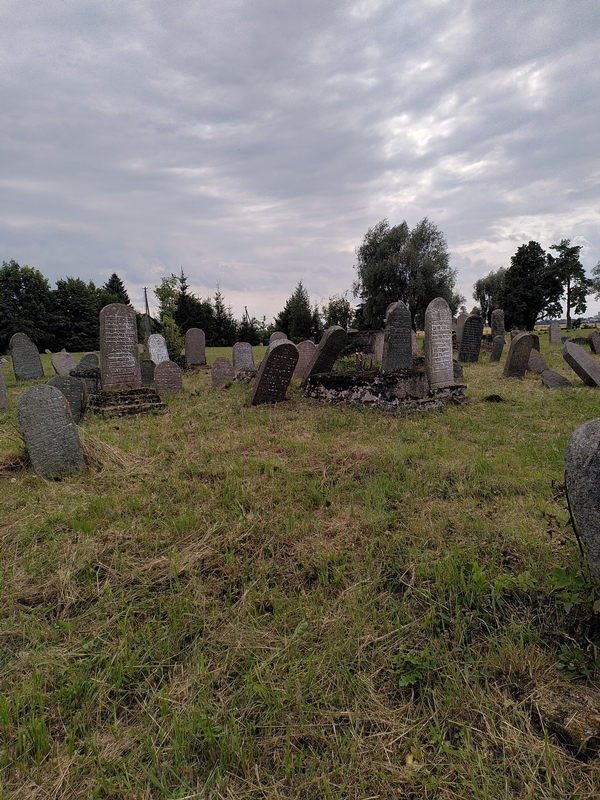
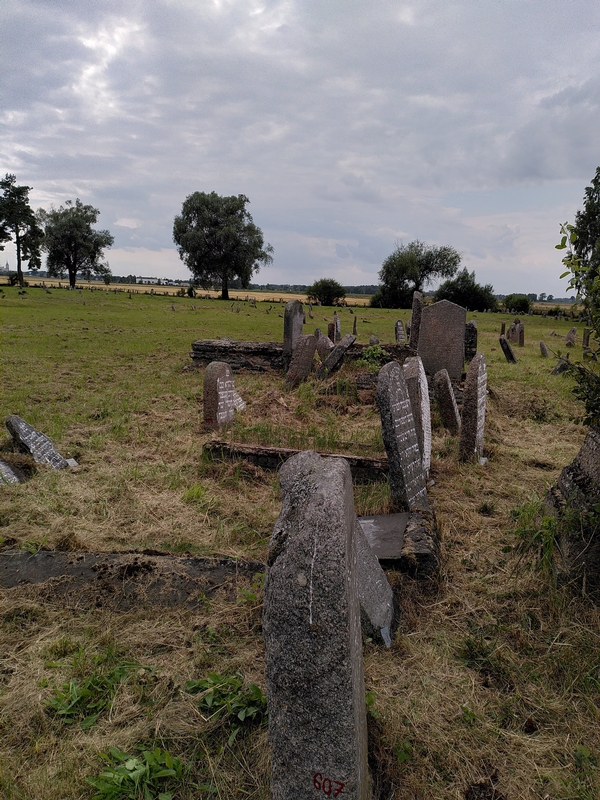
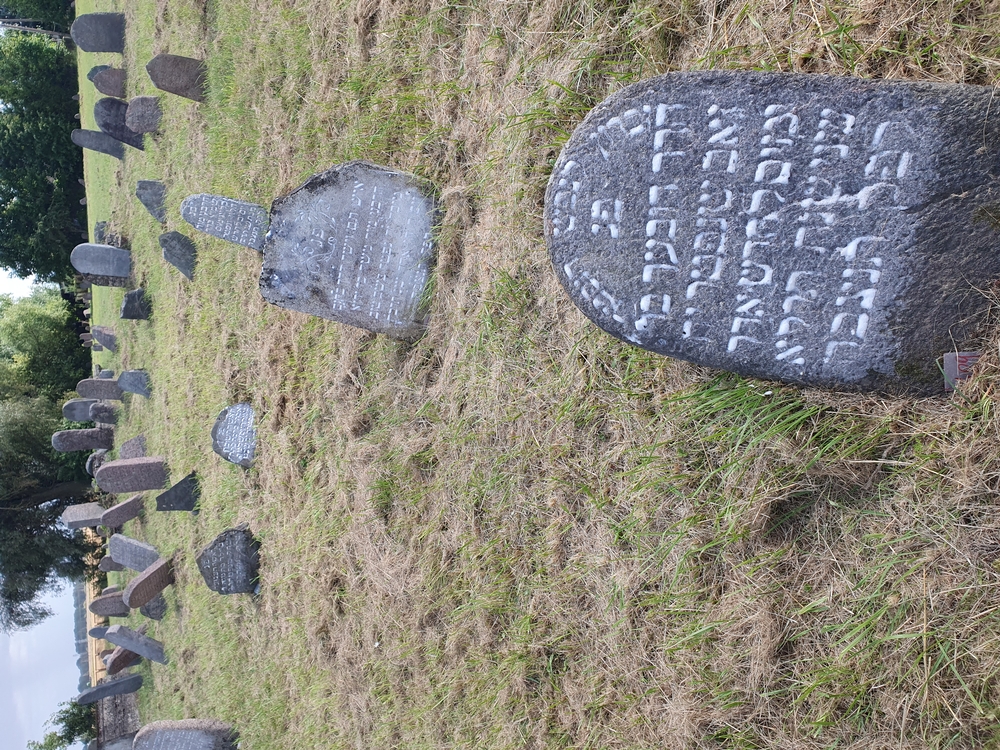
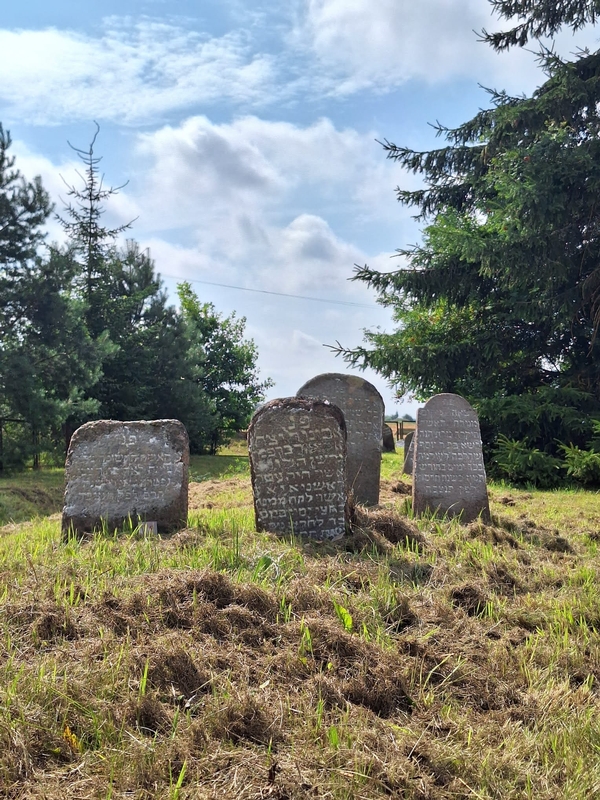
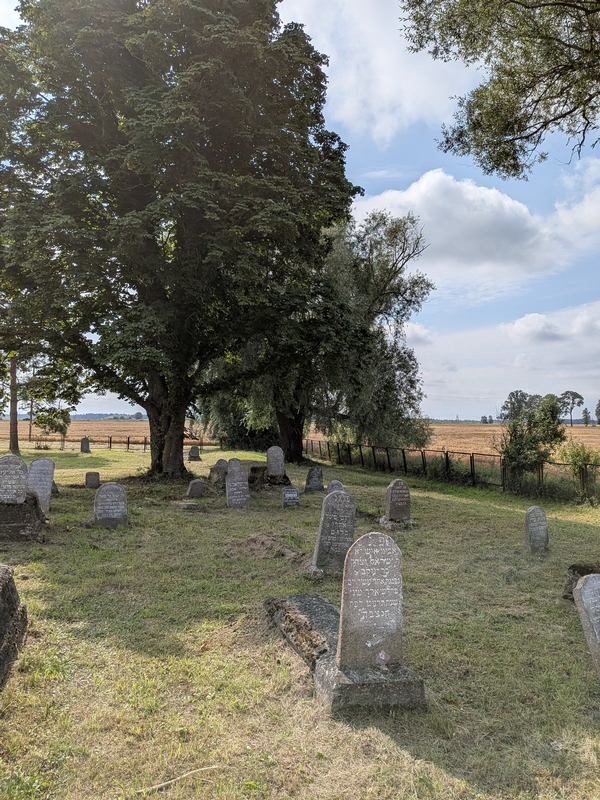
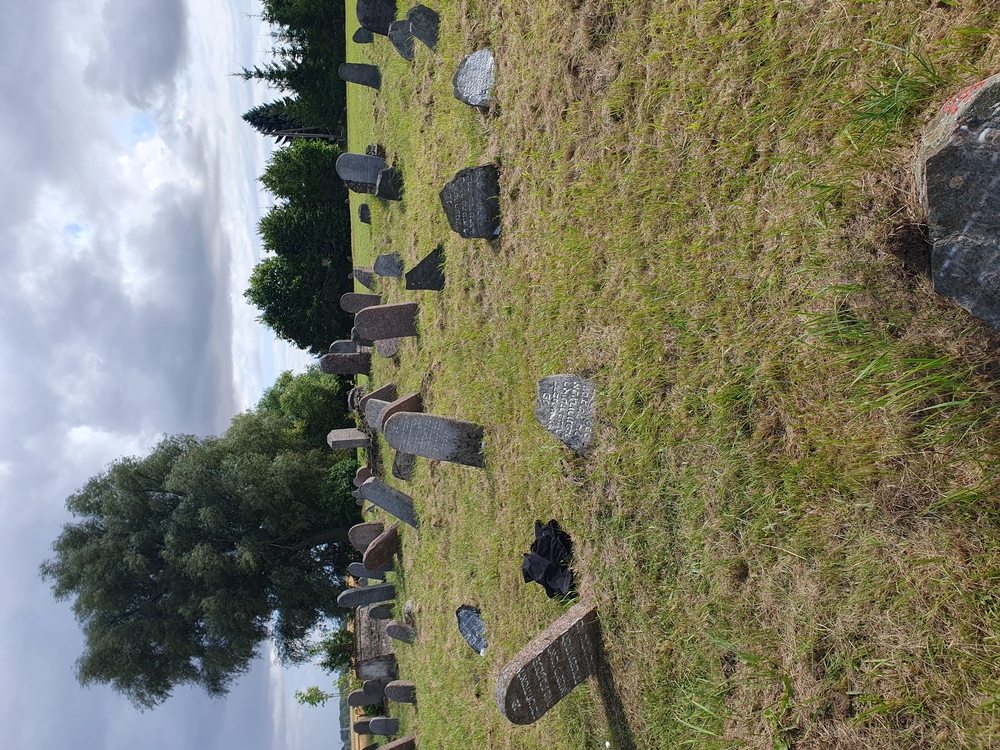
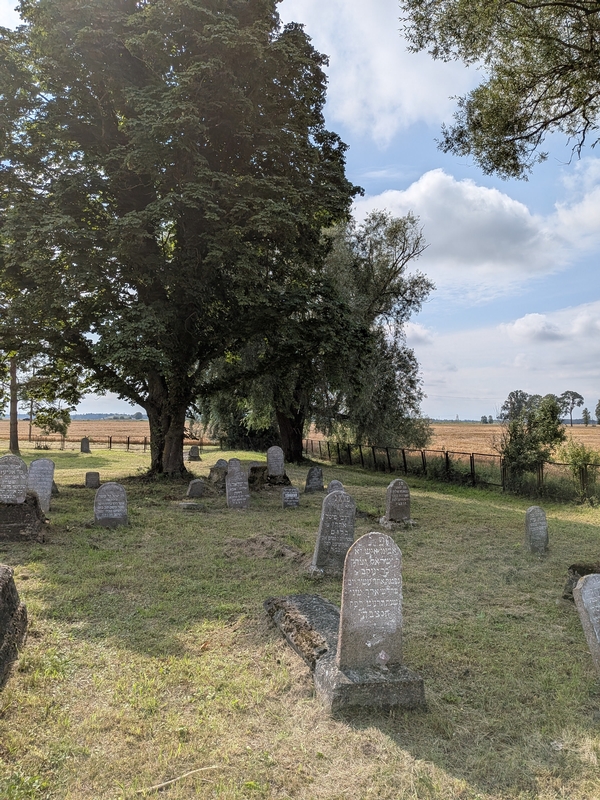
The Jewish cemetery in Joniškis is one of the symbols of the community’s memory. As the Jewish community in Joniškis grew, it was allowed to establish a cemetery along with the construction of a synagogue. Today, the cemetery has about 722 gravestones of various shapes: pink, gray, and black chiseled granite, as well as concrete; most of them have memorial inscriptions carved in Hebrew.
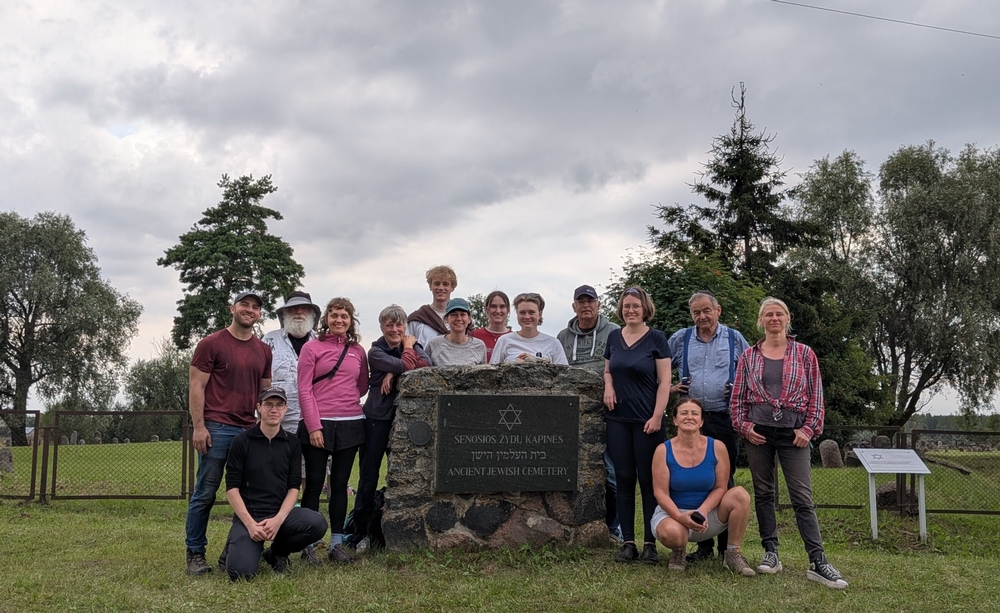
In 2025, Maceva and its partners from Germany, ASF Action Reconciliation Service for Peace, participated in a camp with 15 volunteers from Germany, as well as volunteers from the US, Israel, and Lithuania. During the camp, 722 monuments were cleaned, highlighted, photographed, and marked. A map of the cemetery was created.
Photographs by Natalia Brunsmann, Lasse Luttermann, Adam Gelman
Translated by Avishai Lubich
General photos by ASF volunteers
LT:
XVIII a. pradžioje Joniškyje žydų dar nebuvo, tačiau jie gyveno ir prekiavo aplinkiniuose kaimuose, o XVIII a. pabaigoje miestelyje jau minimi 88 žydai. Augant bendruomenei, žydams buvo leista statyti sinagogą ir įkurti kapines – nors tikslaus tuometinio gyventojų skaičiaus nežinoma, žinoma, kad jie sudarė reikšmingą miestelio dalį. XIX a. bendruomenė turėjo savo mokyklą, tris sinagogas, o prekyba tapo svarbiausia veikla: Joniškyje vyko turgūs ir žirgų mugės, atvykdavo pirkliai net iš Latvijos, Vokietijos, Rusijos ir Lenkijos; dalis šeimų nuomojosi daržus (ypač Mintaujos / Livonijos gatvės gale), augino daržoves ir gabendavo jas parduoti į Rygą ar Mintaują (dab. Jelgavą), kiti vertėsi vežėjavimu. XX a. pradžioje žydų krautuvės užėmė centrinę miestelio dalį, statiniai – parduotuvės, arbatinės, gyvenamieji namai – iškilo Livonijos, Upytės ir Šiaulių gatvėse; veikė dvi sinagogos ir maldos namai, o „baltosios“ (1823 m., tinkuotos baltai) ir „raudonosios“ (1865 m., raudonų plytų) sinagogos sudarė sinagogų kompleksą. Tarpukariu bendruomenė buvo aktyvi ekonomiškai ir kultūriškai: mieste dirbo amatininkai (siuvėjai, mėsininkai, batsiuvių amatai ir kt.), veikė jų sąjunga, reikšmingą vaidmenį atliko žydų liaudies bankas („Folksbank“), o 1939 m. iš 110 miesto telefonų 38 priklausė žydams. 1920 m. įkurta hebrajų mokykla, darželis, biblioteka, veikė paskaitų ir dramos klubai, buvo ryškios sionistinės organizacijos bei religinis gyvenimas, telkęsis maldos namuose ir draugijose.
Joniškio žydų kapinės – vienas iš bendruomenės atminties ženklų. Augant žydų bendruomenei Joniškyje, jai buvo leista įkurti kapines kartu su sinagogos statyba. Šiandien kapinėse yra apie 722 įvairių formų antkapinių paminklų: rausvo, pilko ir juodo tašyto granito, taip pat betono; dauguma jų su iškaltais memorialiniais įrašais hebrajų kalba.
2025 m. Maceva su partneriais iš Vokietijos ASF „Action Reconciliation Service for Peace“ stovykloje dalyvavo 15 savanorių iš Vokietijos, taip pat prisijungė savanoriai iš JAV, Izraelio, Lietuvos. Stovyklos metu buvo nuvalyti, išryškinti, nufotografuoti bei sužymėti 722 paminklai. Padarytas kapinių žemėlapis.
Fotografavo: Natalia Brunsmann, Lasse Luttermann, Adam Gelman
Vertė Avishai Lubich
Bendro vaizdo nuotraukos ASF savanorių