EN:
At the end of the 19th century, Jews made up the majority of Girkalnis’s population. According to the 1897 census, 530 of the town’s 648 residents were Jewish, or 82 percent. In 1923, 213 Jews lived in Girkalnis, and on the eve of World War II, there were about 27 Jewish families. Most were engaged in trade, while some worked in crafts and agriculture. In 1931, Jews owned three fabric stores and one grocery store. The community’s religious life centered on prayer and the study of religious texts at home—in the beit midrash.
In the summer of 1941, after Nazi Germany occupied Lithuania, the Jews of Girkalnis began to be persecuted by local White-Armed men. When the massacres began, the remaining members of the community were herded into three houses that had belonged to Jewish families. On August 21, approximately 120 Jews from Girkalnis—men, women, and children—were murdered near the village of Kurpiškė.
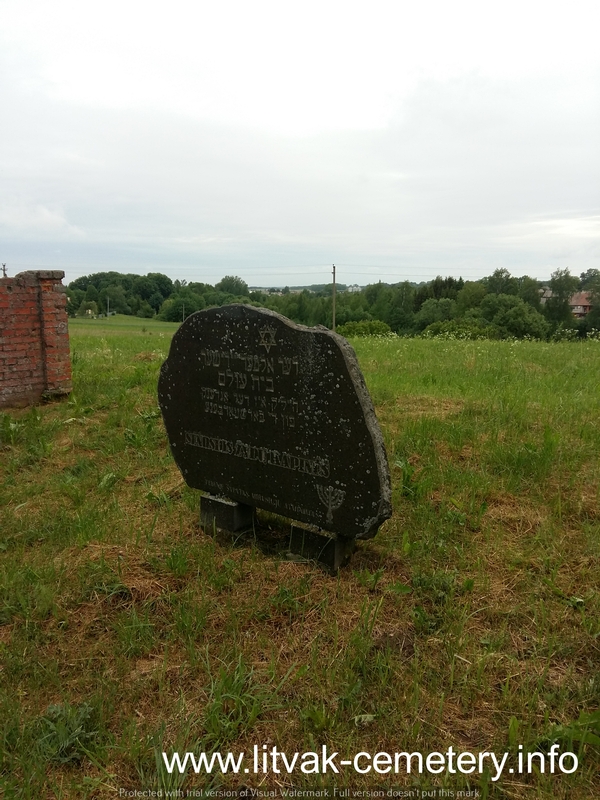
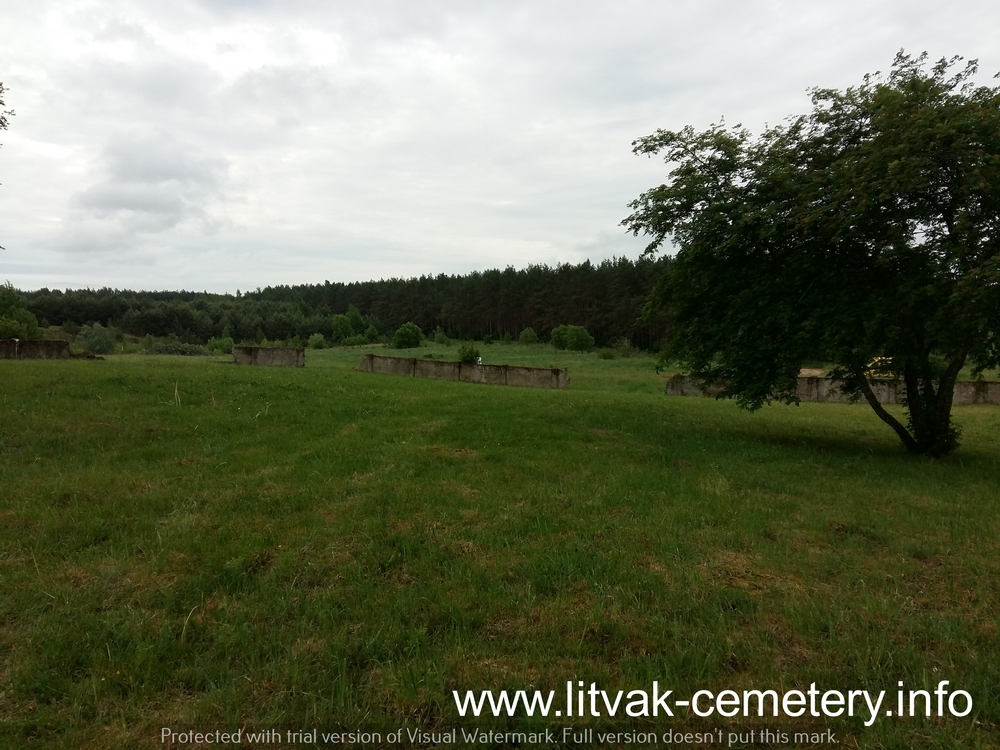
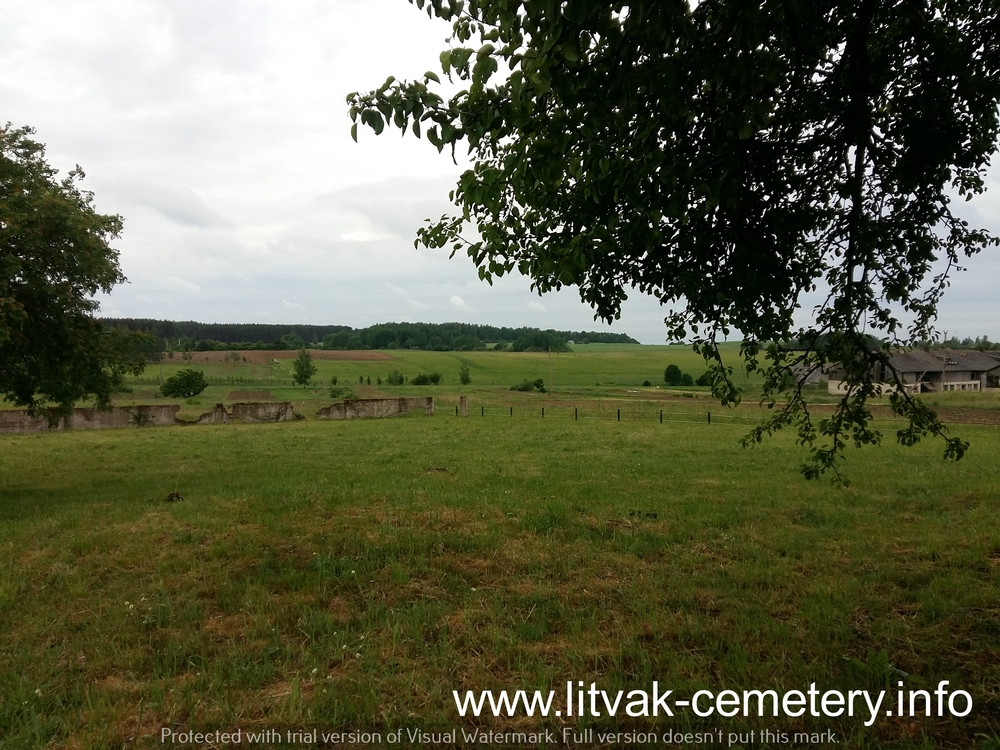
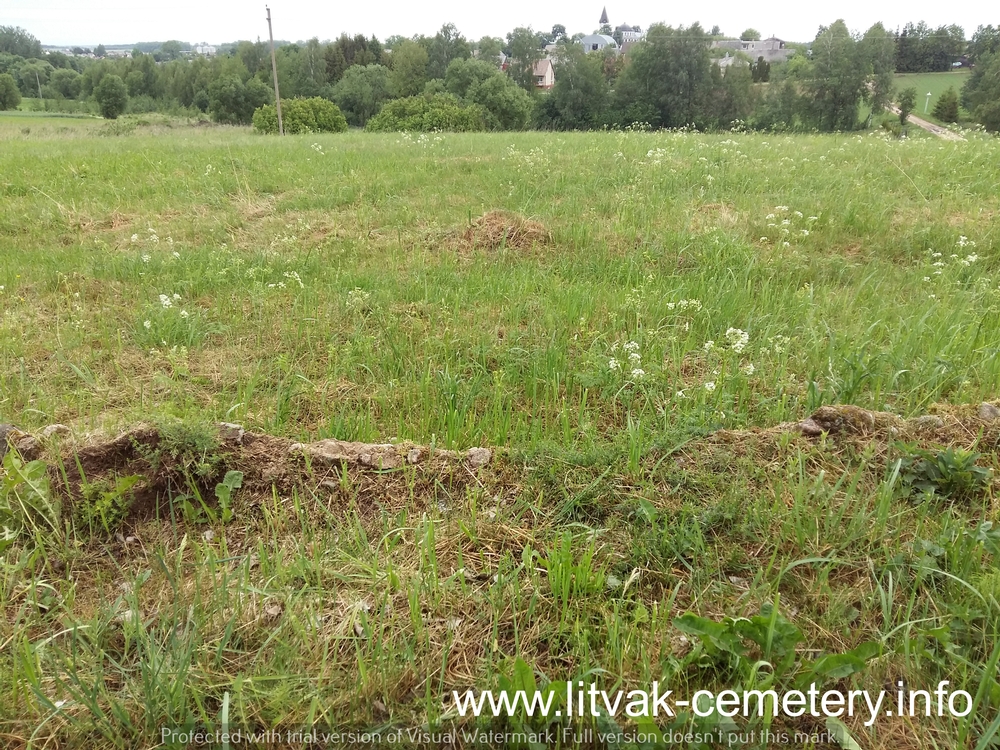
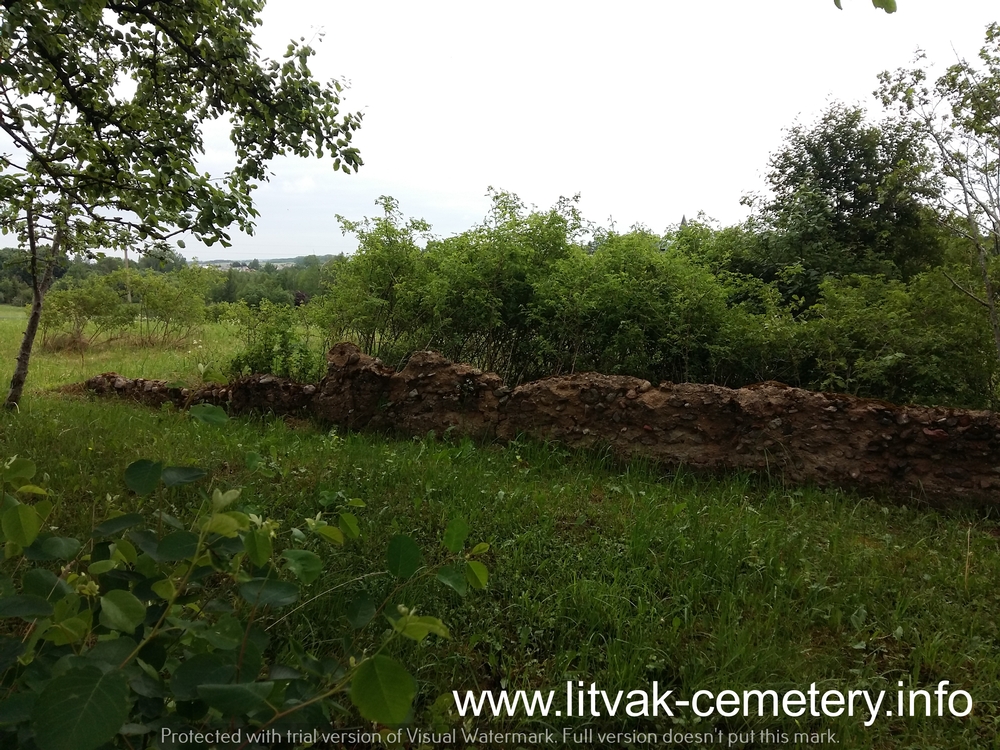
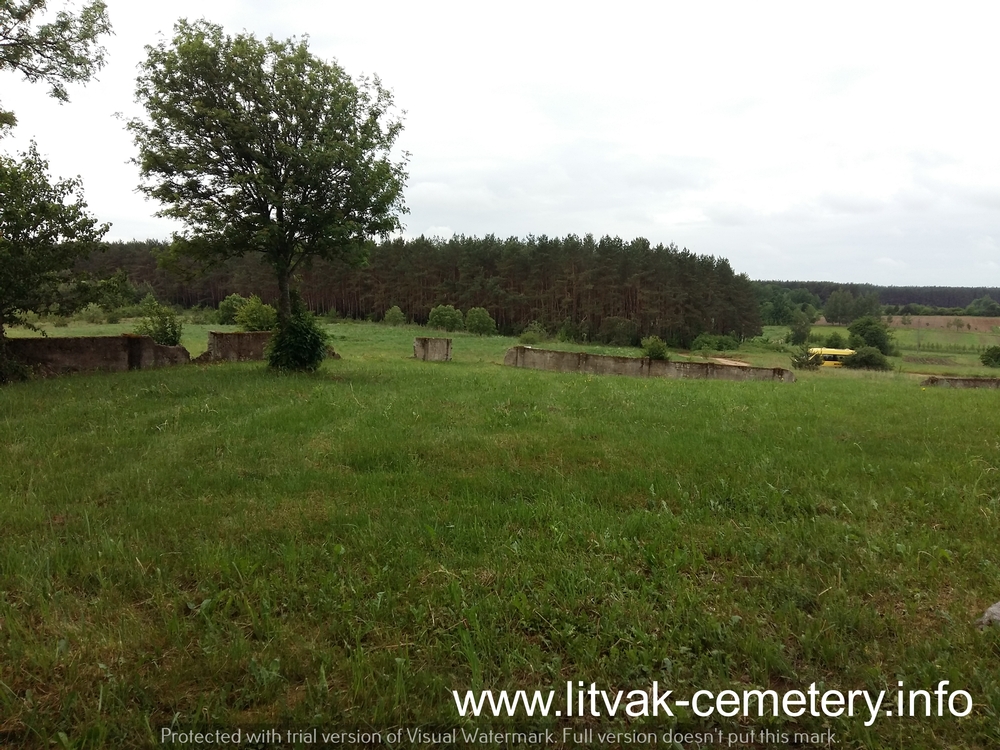
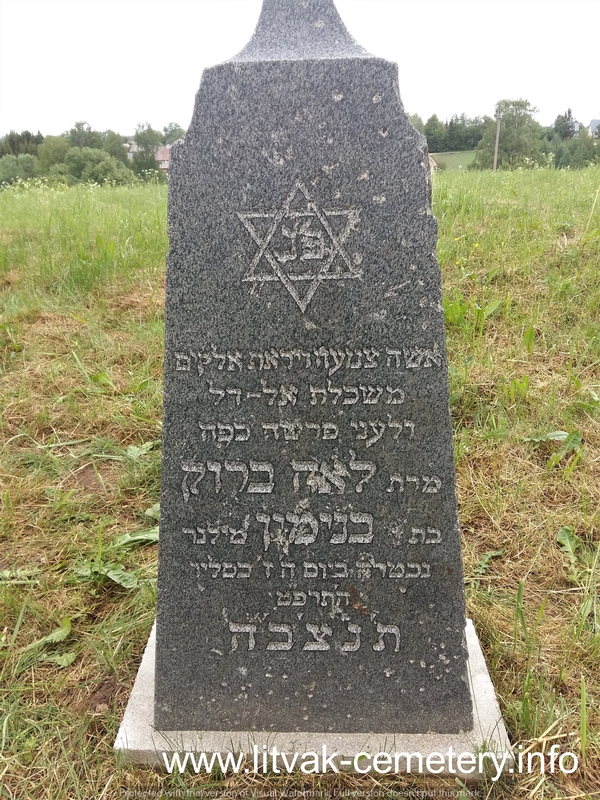
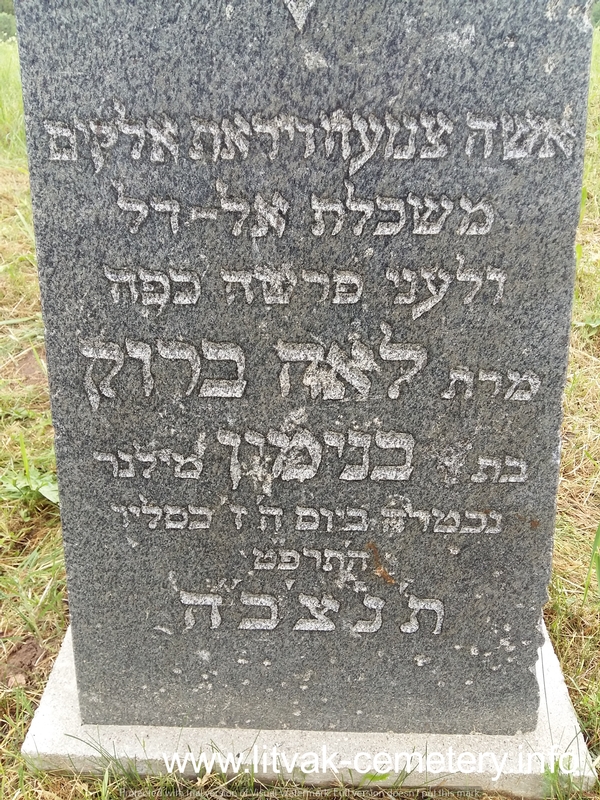
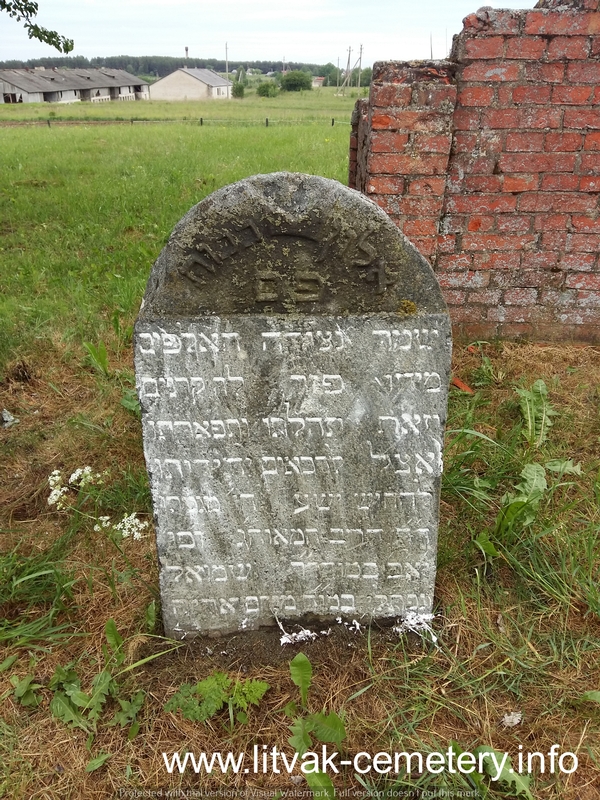
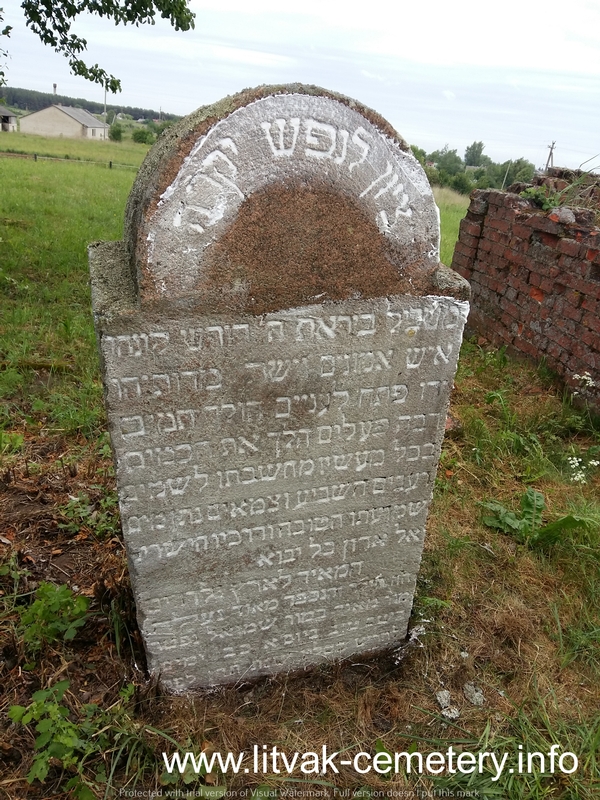
The old Jewish cemetery in Girkalnis was destroyed during the Soviet era. In the early 1990s, a memorial stone with an inscription in Yiddish and Lithuanian was erected on the site.
The cemetery was documented by pupils of Girkalnis school in 2019. Translations by Ralf Salinger
LT:
XIX a. pabaigoje žydai sudarė didžiąją Girkalnio gyventojų dalį. 1897 m. surašymo duomenimis, miestelyje gyveno 530 žydų iš 648 gyventojų, arba 82 proc. 1923 m. Girkalnyje gyveno 213 žydų, o Antrojo pasaulinio karo išvakarėse – apie 27 žydų šeimas. Dauguma vertėsi prekyba, dalis – amatais ir žemdirbyste. 1931 m. žydams priklausė trys audinių krautuvės ir viena maisto prekių parduotuvė. Bendruomenės religinis gyvenimas telkėsi maldos ir religinių tekstų studijų namuose – beit midraše.
1941 m. vasarą, nacistinei Vokietijai okupavus Lietuvą, Girkalnio žydus ėmė persekioti vietos baltaraiščiai. Prasidėjus žudynėms, likę bendruomenės nariai buvo suvaryti į tris žydų šeimoms priklausiusius namus. Rugpjūčio 21 d. apie 120 Girkalnio žydų – vyrų, moterų ir vaikų – buvo nužudyti netoli Kurpiškės kaimo.
Senosios Girkalnio žydų kapinės buvo sunaikintos sovietmečiu. XX a. dešimtojo dešimtmečio pradžioje jų vietoje pastatytas atminimo akmuo su įrašu jidiš ir lietuvių kalbomis.
Kapinės dokumentuotos kartu su Girkalnio mokyklos mokiniais, 2019 metais.
Vertėjas Ralfas Salingeris