EN:
In 1789, the first Jews in the Šilokarčema District settled in Rusnė. Although the Prussian authorities restricted Jewish migration, their numbers in this region eventually grew. As Šilokarčema (Šilutė) became the county seat and began to grow rapidly, Jewish families also began to settle there. In 1855, there were 89 Jewish families in the county, and by 1880, that number had risen to 332.
In 1858, a separate Jewish community was established in Šilokarčema. Israel Šacas became its first rabbi. In 1863, a small synagogue was built, which became an important center of the community’s religious and social life.
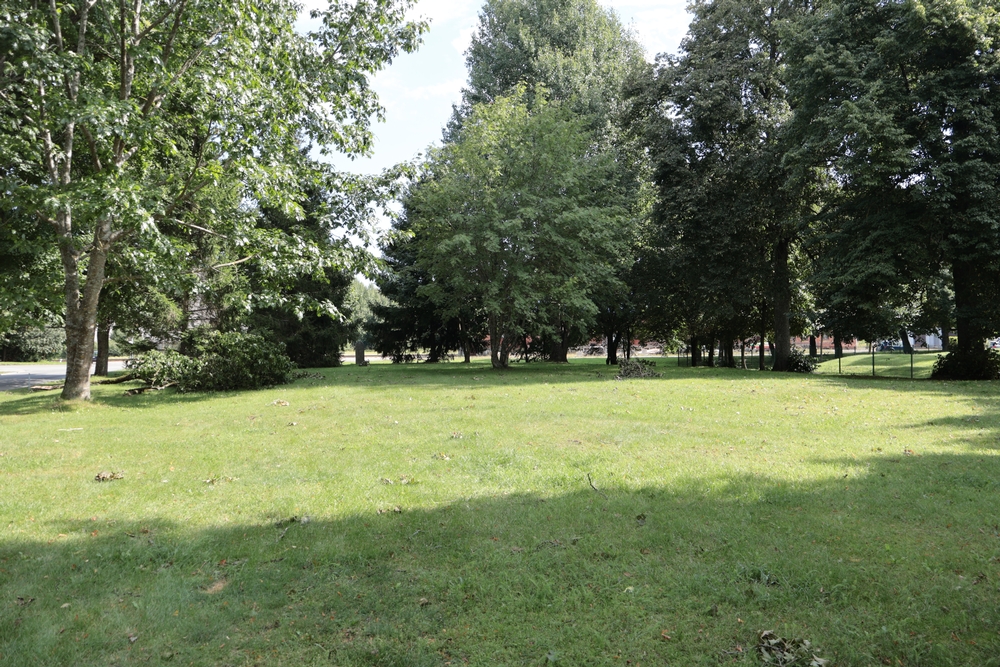
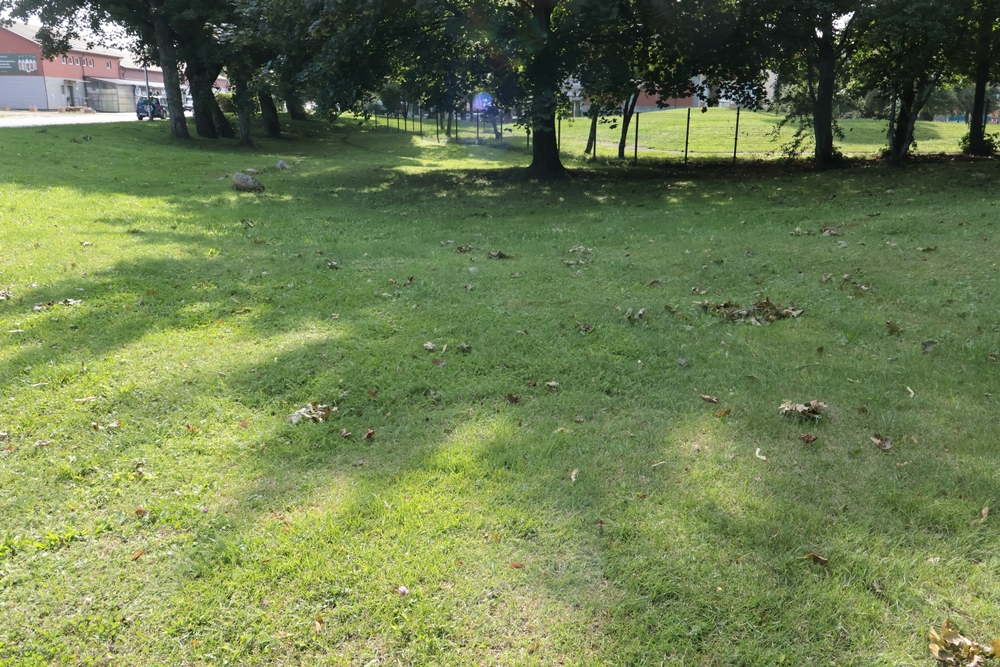
The growing community also needed its own cemetery. Therefore, in 1869, the Jewish communities of Rusnė and Šilokarčema purchased land at the intersection of what are now Geležinkelio and Miško Streets. A Jewish cemetery was established there.
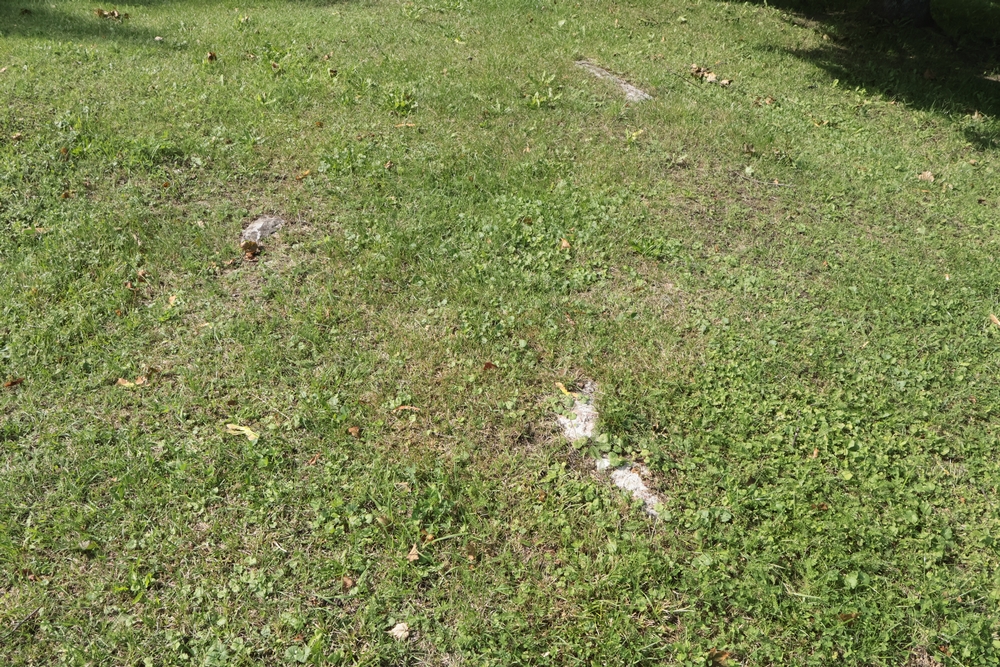
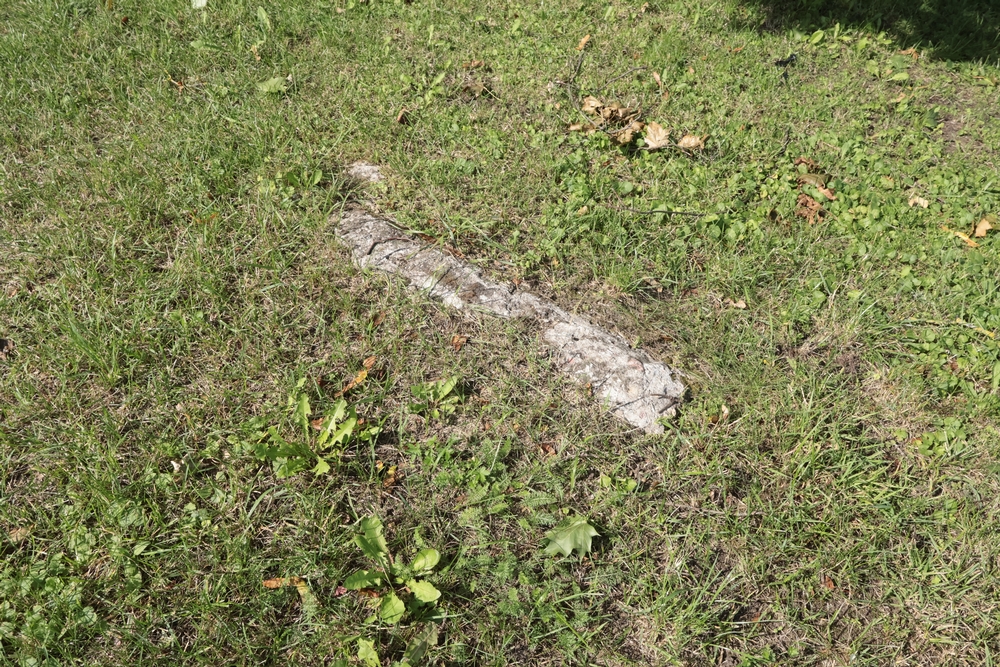
During the Holocaust, the Šilokarčema Jewish community was annihilated, and after the war, its most significant remnants—the synagogue and the cemetery—were destroyed.
After World War II, the site of the former cemetery was used for agricultural purposes. A woodworking shop operated by the Šilutė Forestry Enterprise was established nearby, and later a gravestone workshop operated there. In 1977, the buildings of the “Pušelė” nursery school were erected on this site, and they are still in use today.
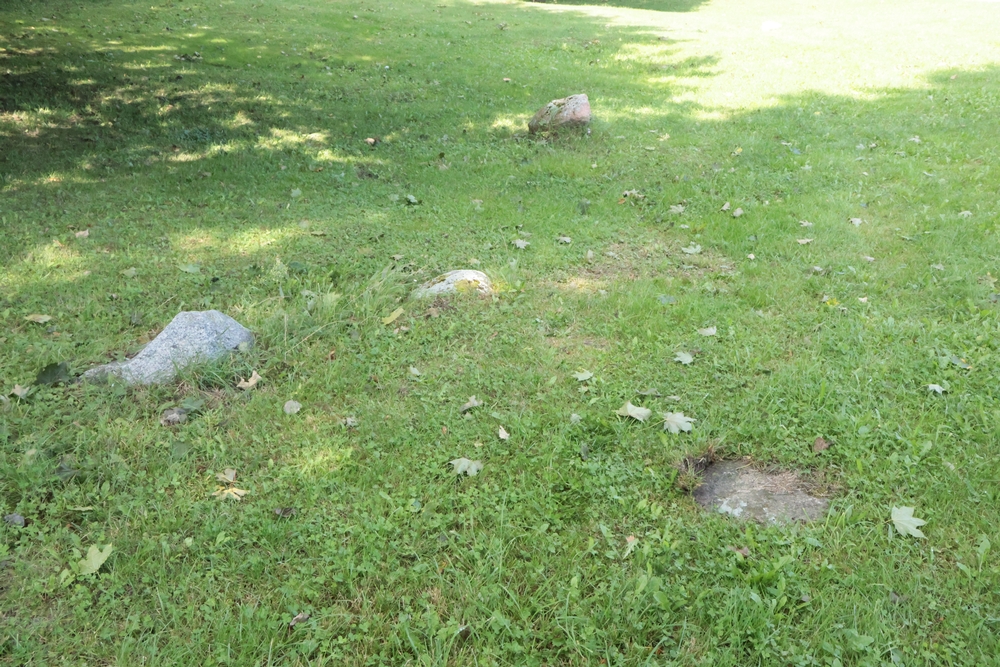
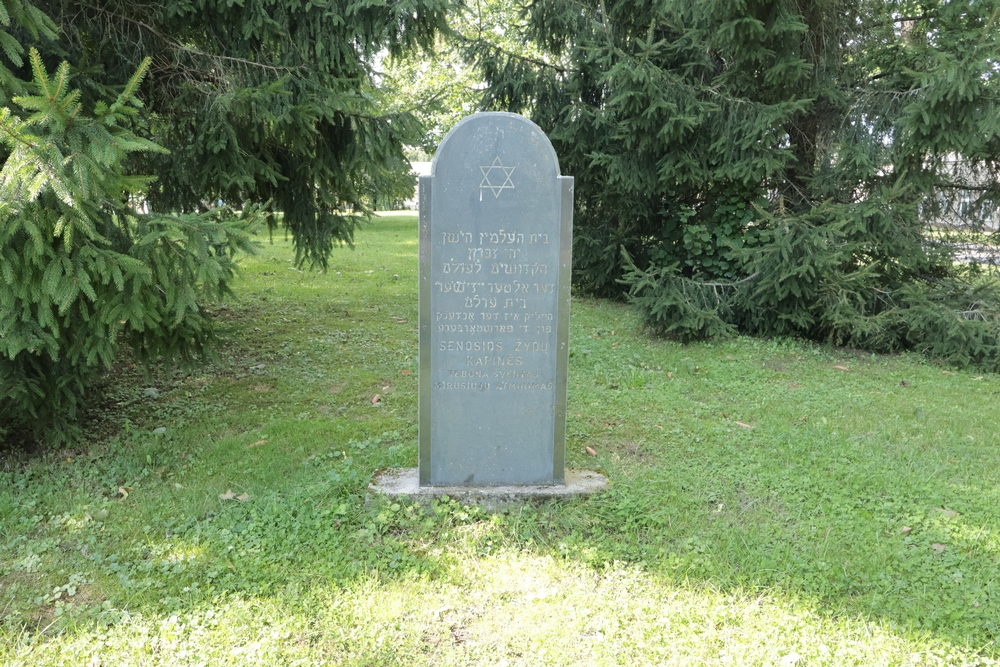
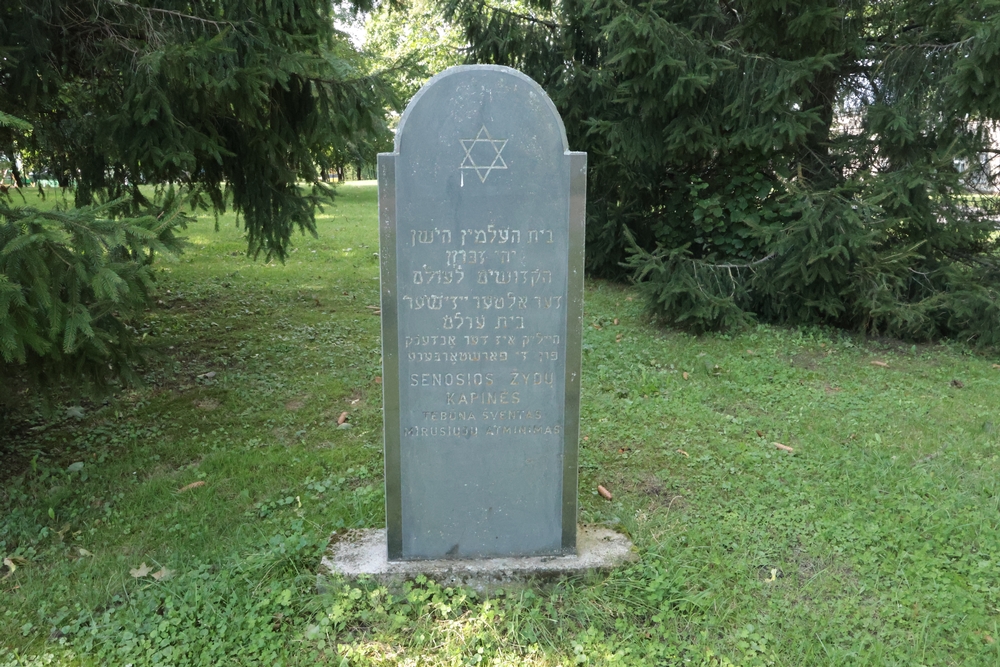
Today, a monument stands as a reminder of the Jewish cemetery that once stood here. It preserves the memory of the people who lived in the Šilutė region for many years, built its community, and were buried here.
Based on the Šilutė Region Heritage Guide.
Photos by M. Jakulytė, August 2026
LT:
1789 metais pirmieji žydai Šilokarčemos apskrityje apsigyveno Rusnėje. Nors Prūsijos valdžia ribojo žydų migraciją, ilgainiui jų šiame krašte daugėjo. Šilokarčemai (Šilutei) tapus apskrities centru ir pradėjus sparčiai augti, čia ėmė kurtis ir žydų šeimos. 1855 metais apskrityje jų buvo 89, o 1880 metais – jau 332.
1858 metais Šilokarčemoje susiformavo atskira žydų bendruomenė. Pirmuoju jos rabinu tapo Izraelis Šacas. 1863 metais buvo pastatyta nedidelė sinagoga, tapusi svarbia bendruomenės religinio ir visuomeninio gyvenimo vieta.
Augančiai bendruomenei reikėjo ir savo kapinių. Todėl 1869 metais Rusnės ir Šilokarčemos žydų bendruomenės įsigijo žemės dabartinių Geležinkelio ir Miško gatvių sankirtoje. Čia buvo įrengtos žydų kapinės.
Holokausto metais buvo sunaikinta Šilokarčemos žydų bendruomenė, o pasibaigus karui ir svarbiausi jos pėdsakai – sinagoga bei kapinės.
Po Antrojo pasaulinio karo buvusių kapinių teritorija buvo naudojama ūkinei veiklai. Šalia įsikūrė Šilutės miškų ūkio medienos apdirbimo cechas, vėliau veikė paminklų dirbtuvės. 1977 metais šioje vietoje iškilo lopšelio-darželio „Pušelė“ pastatai, naudojami iki šiol.
Šiandien apie čia buvusias žydų kapines primena pastatytas paminklas. Jis saugo atminimą žmonių, kurie ilgus metus gyveno Šilutės krašte, kūrė jo bendruomenę ir buvo čia palaidoti.
Pagal Šilutės krašto paveldo gidą.
Nuotraukos M. Jakulytės, 2026 m. rugpjūtis
Useful Links
Mentioned in the list of LJC
Accurate location
Digitized