EN:
Jews began settling in Virbalis in the second half of the 17th century. Over time, their community became an important part of the town’s economic, social, and cultural life. In 1886, there were 1,253 Jews living in Virbalis—half of the town’s total population. According to the 1923 census, 1,233 of Virbalis’s 4,018 residents were Jewish.
The Jews of Virbalis were engaged in trade, crafts, agriculture, and industry. The town had Jewish stores, bakeries, workshops, synagogues, charitable organizations, and schools. Jews were also involved in local government and the volunteer fire department. The Hebrew gymnasium that operated in Virbalis during the interwar period attracted students from surrounding towns as well. All of this attests to the fact that the Jewish community was an integral part of life in Virbalis.
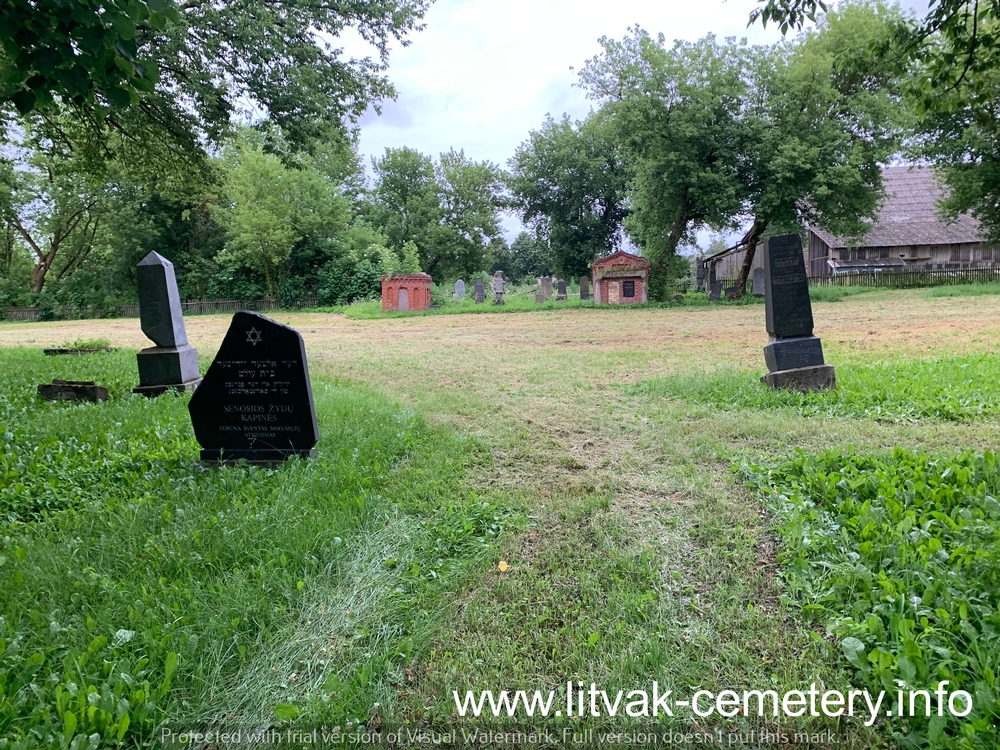
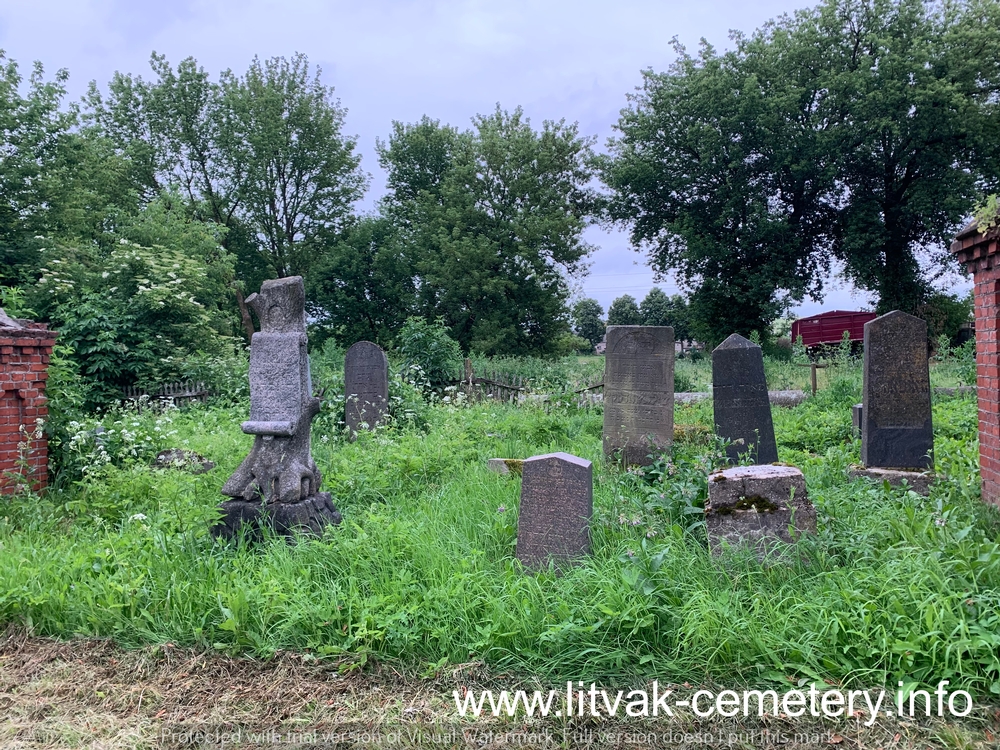
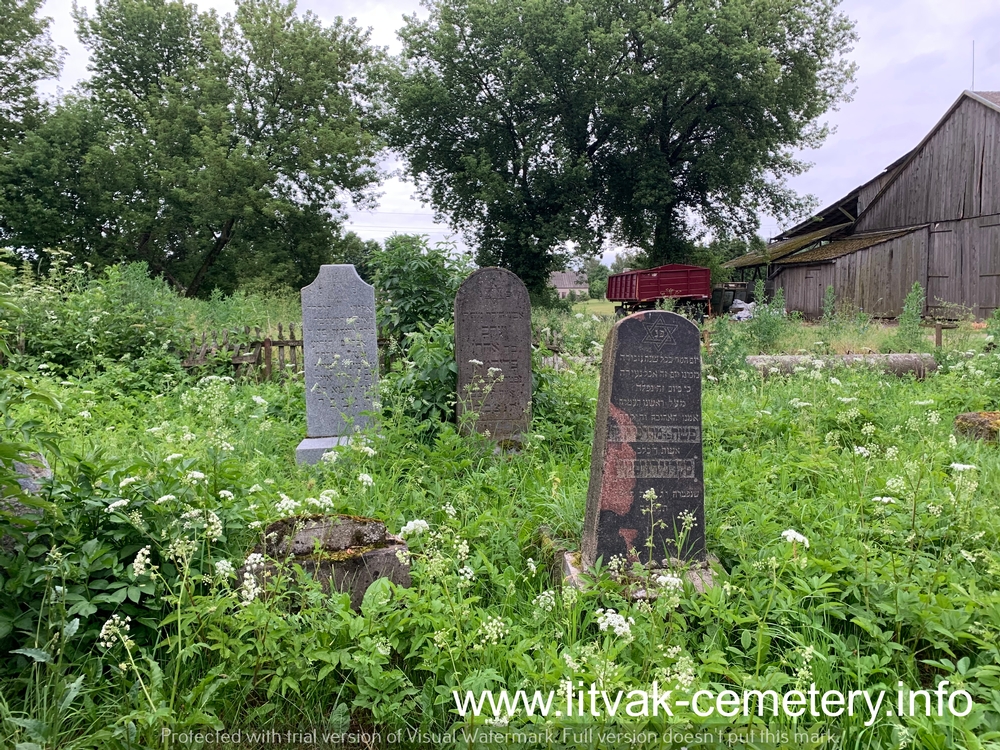
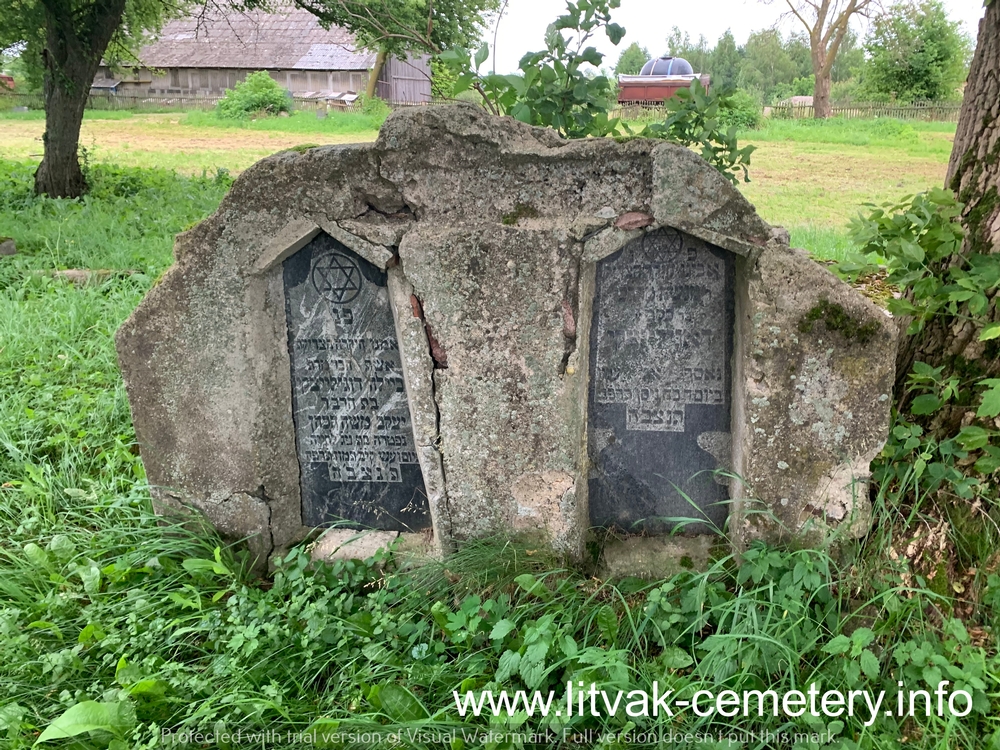
It is believed that burials began at the Virbalis Jewish cemetery in the first half of the 18th century: a gravestone dated 1735 was discovered there. It is possible that the cemetery was established on the site of an even older Jewish burial ground. In the 1870s, the community fenced off the cemetery. Jews from Virbalis were buried there until World War II.
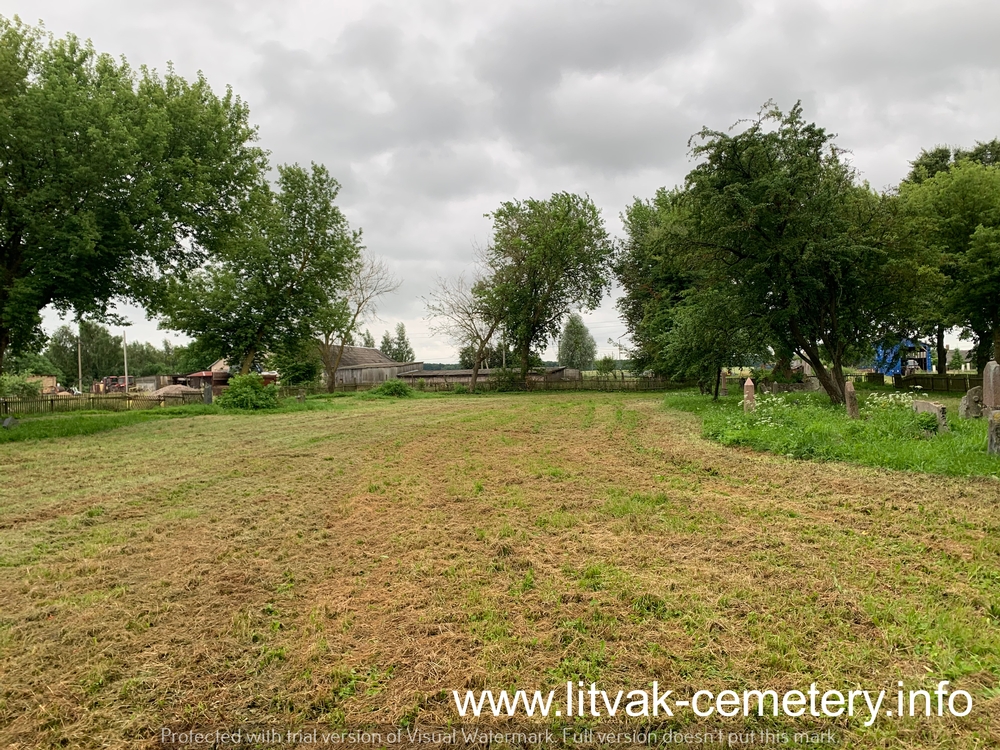
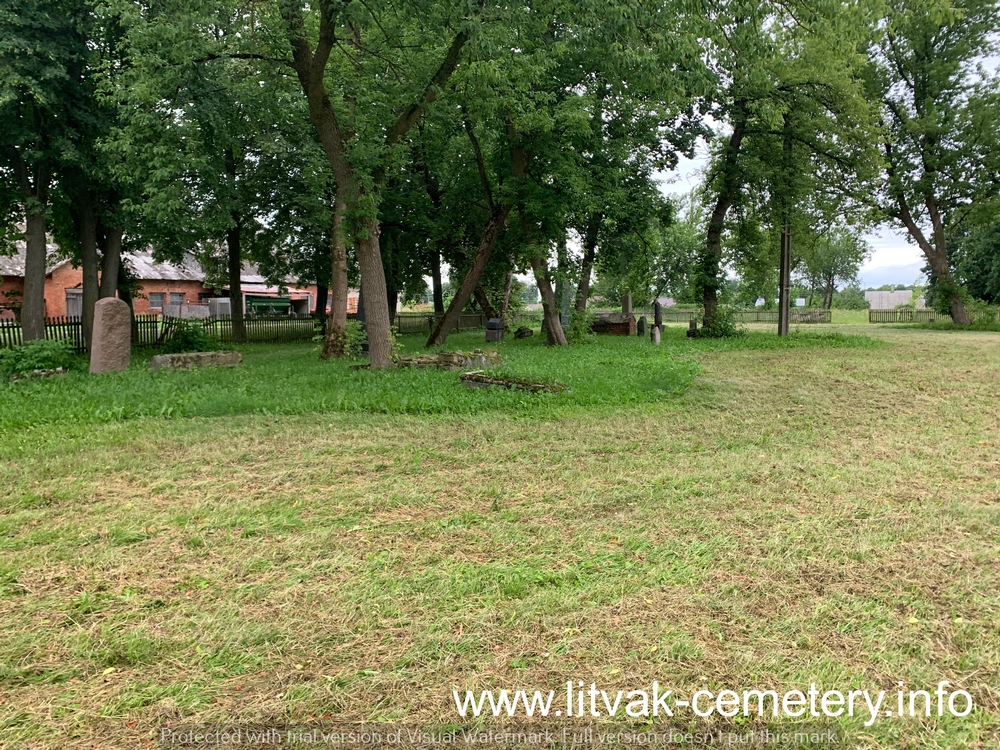
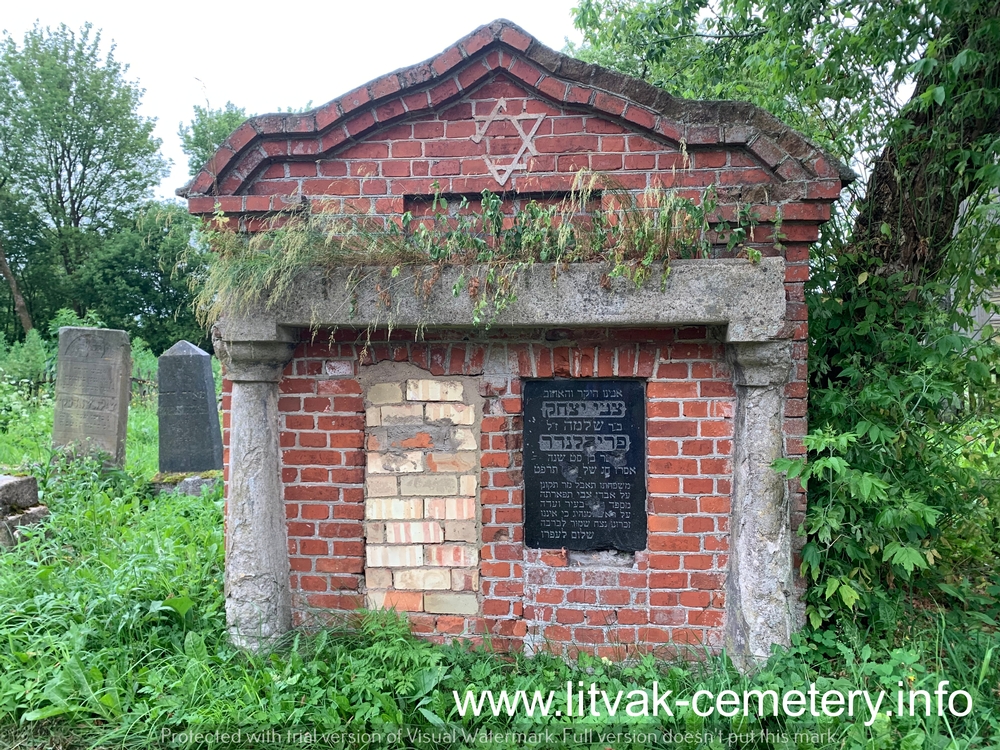
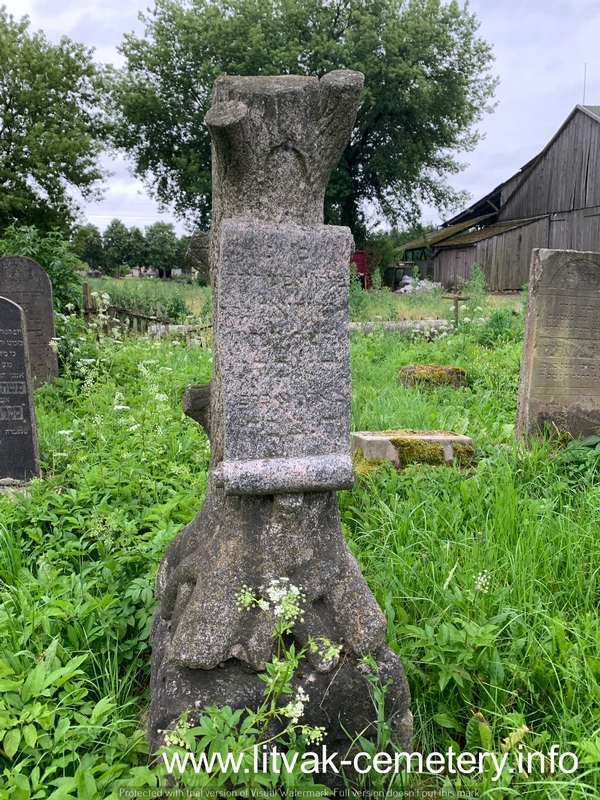
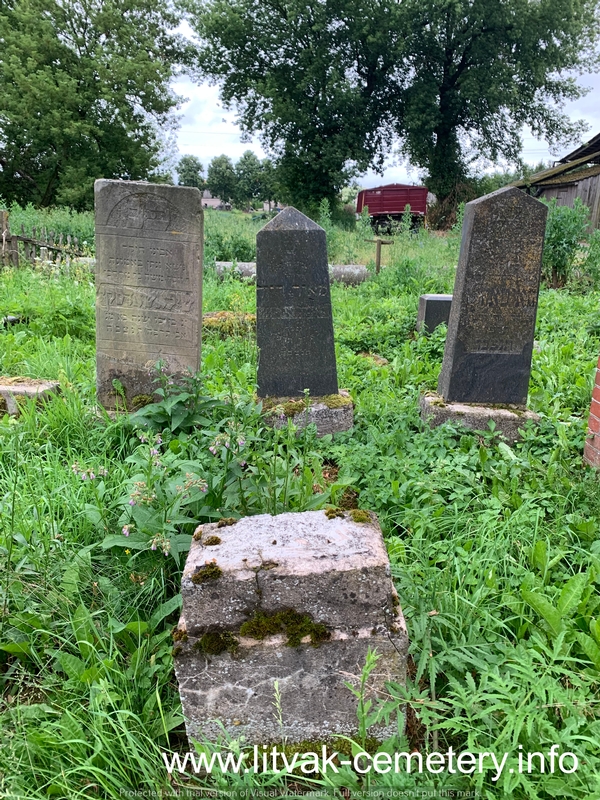
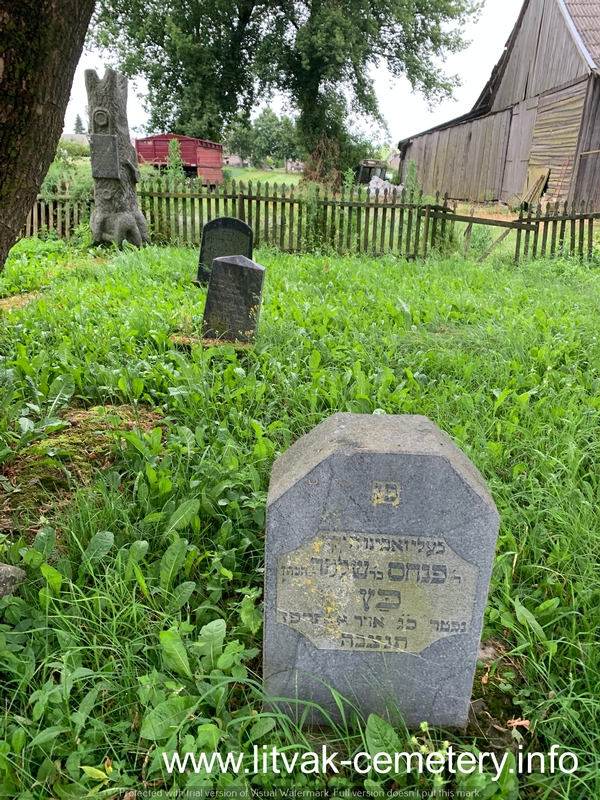
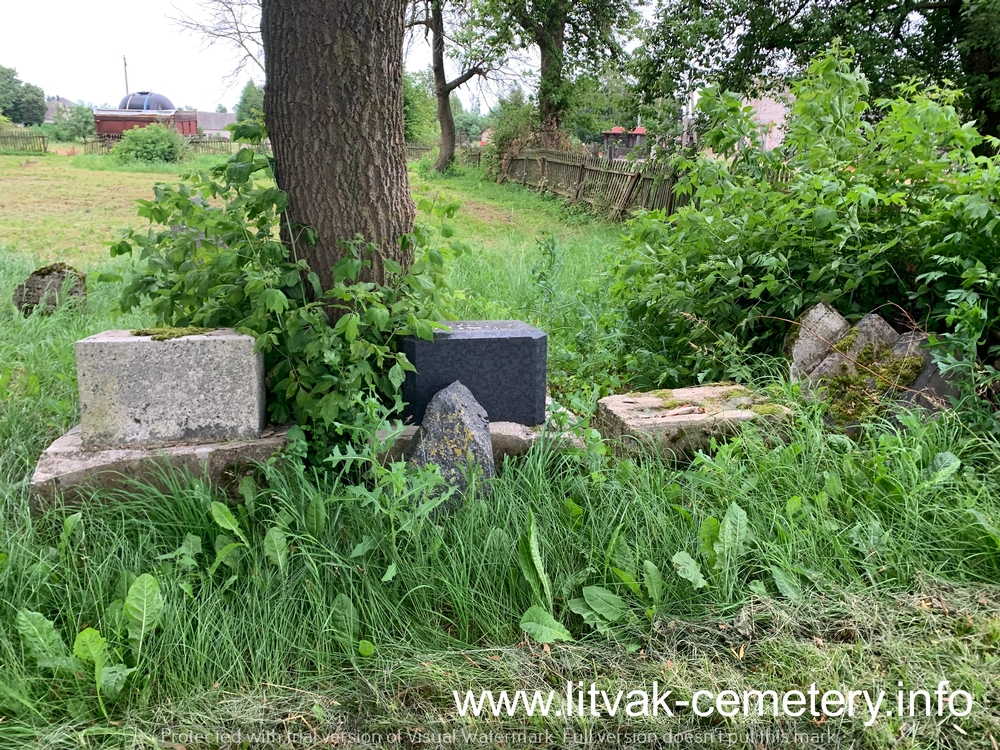
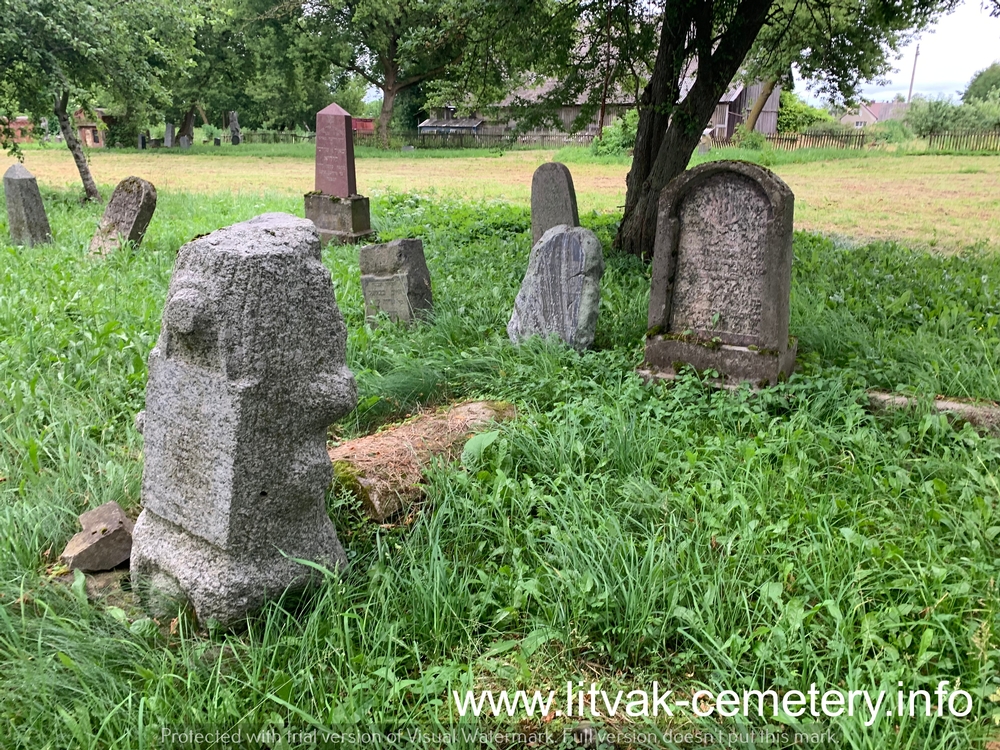
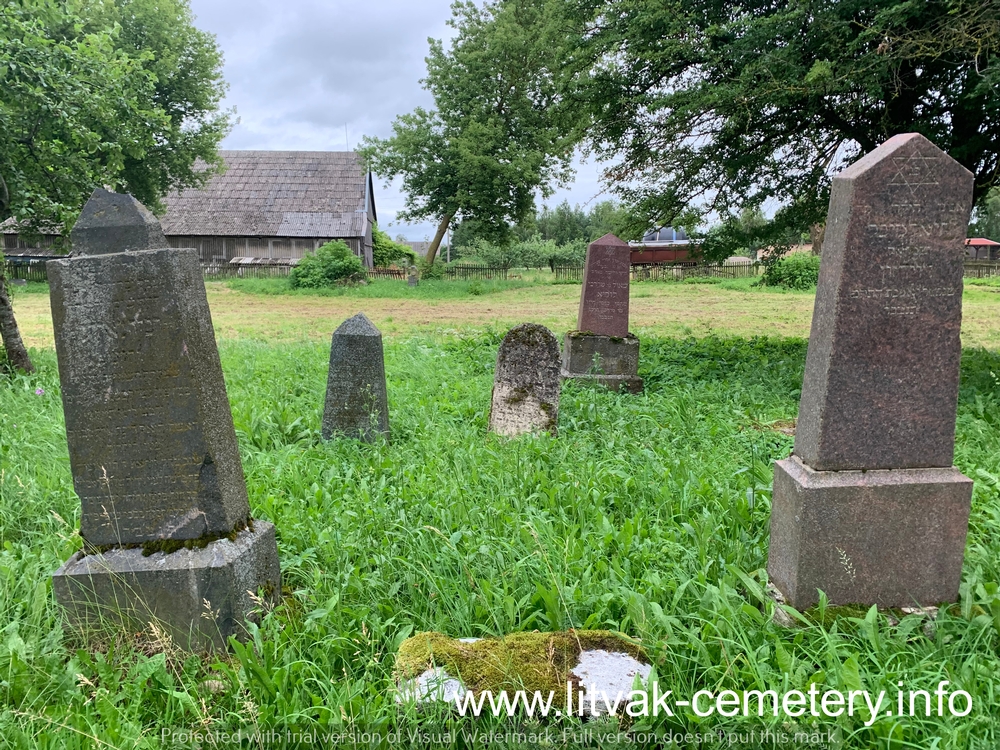
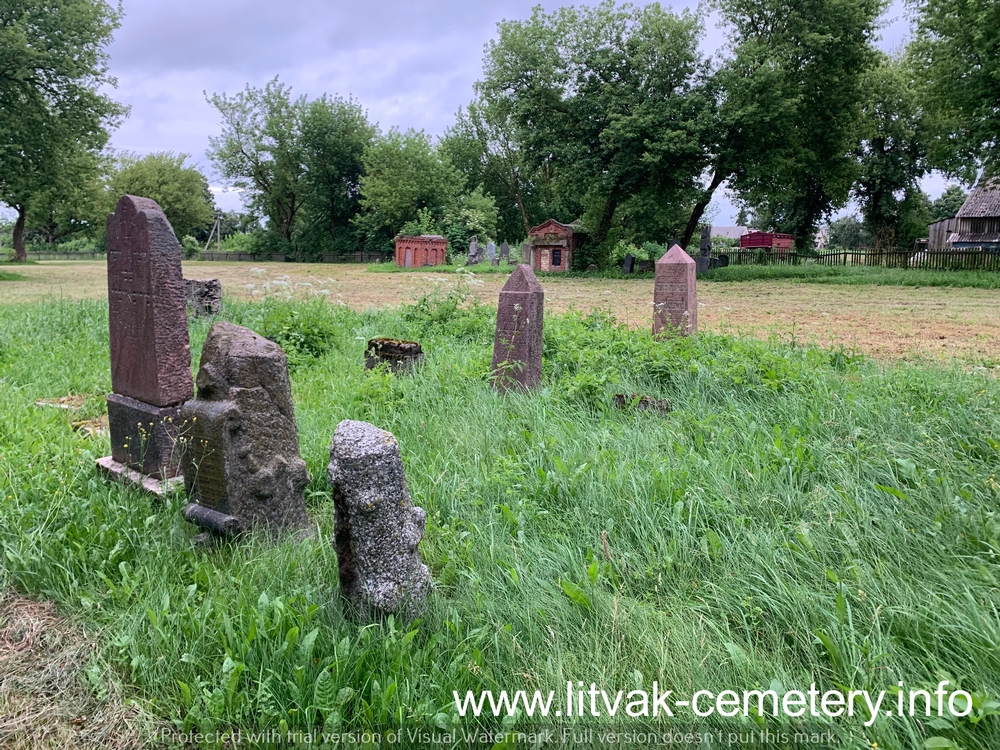
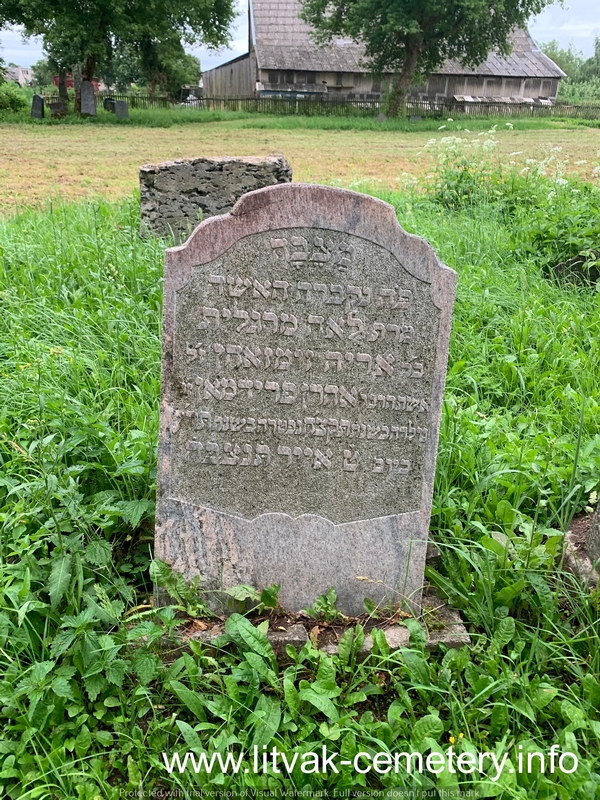
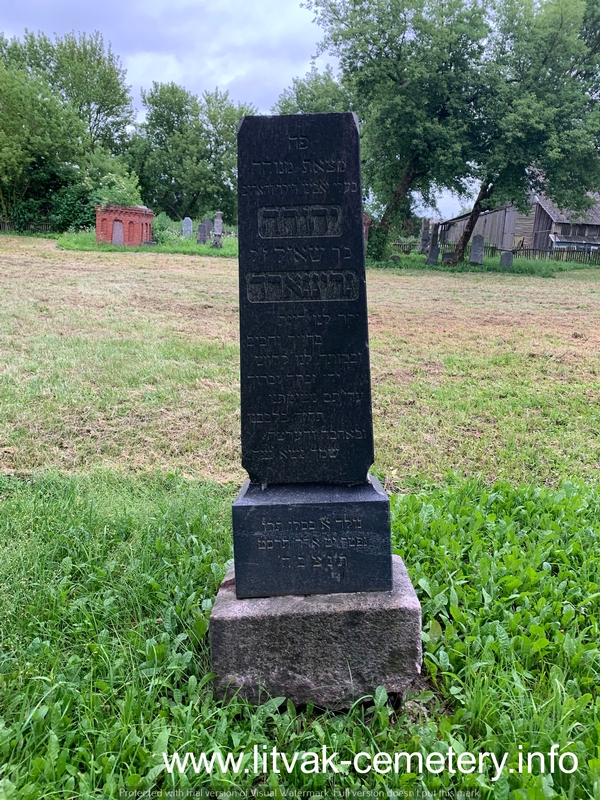
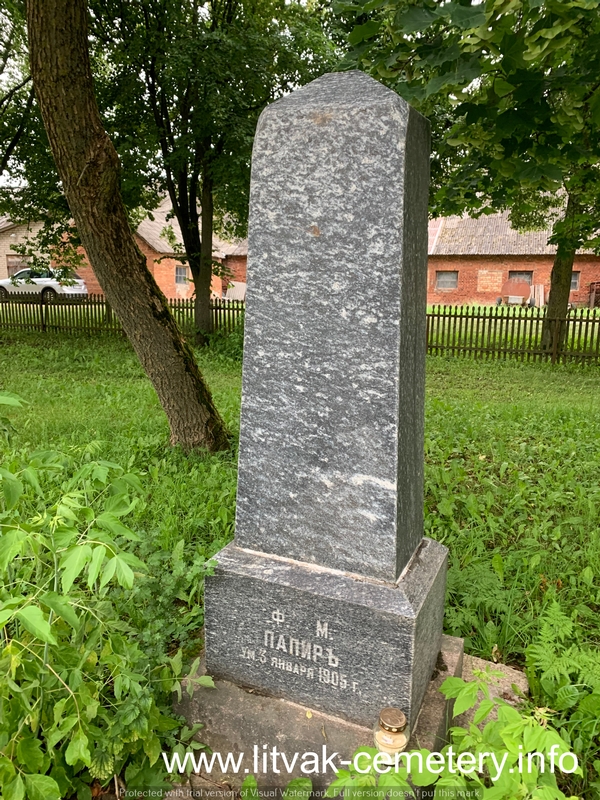
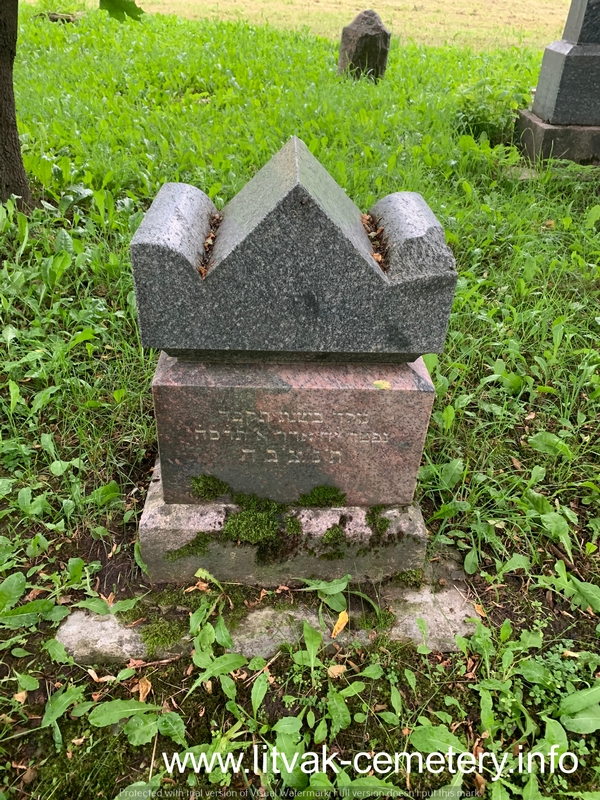
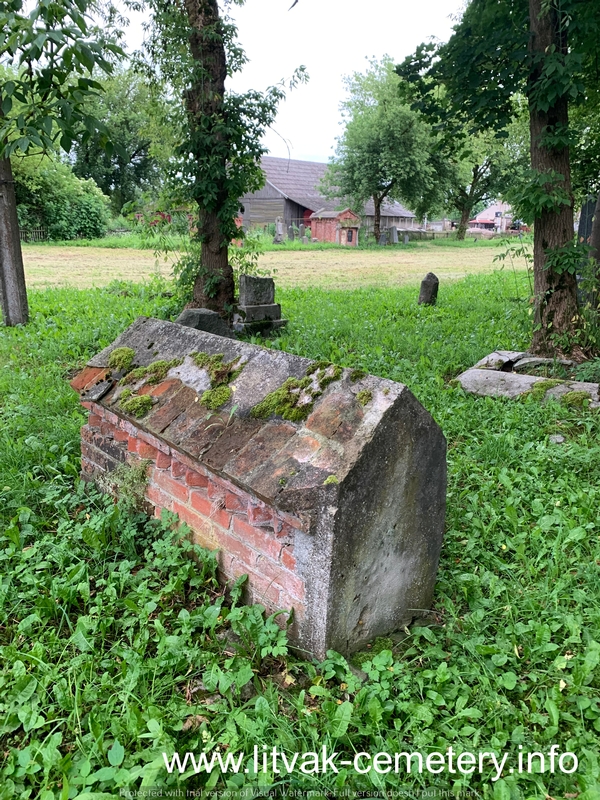
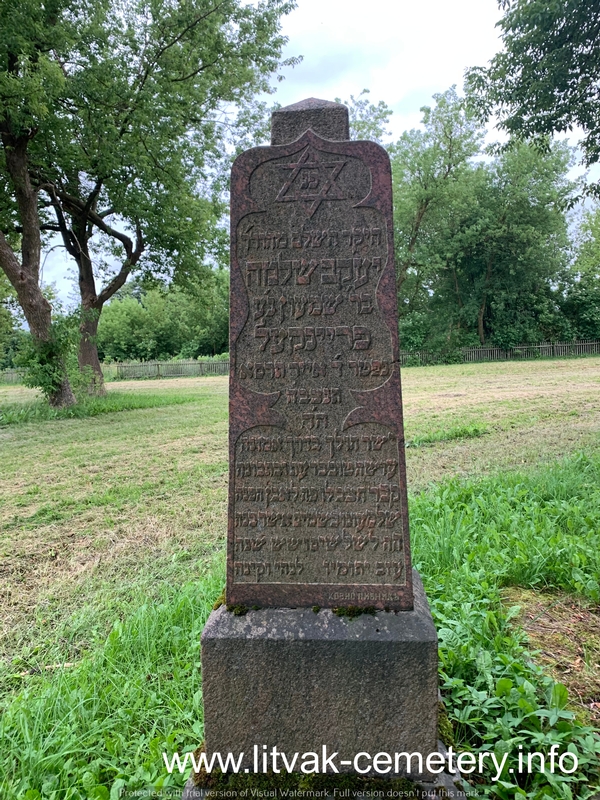
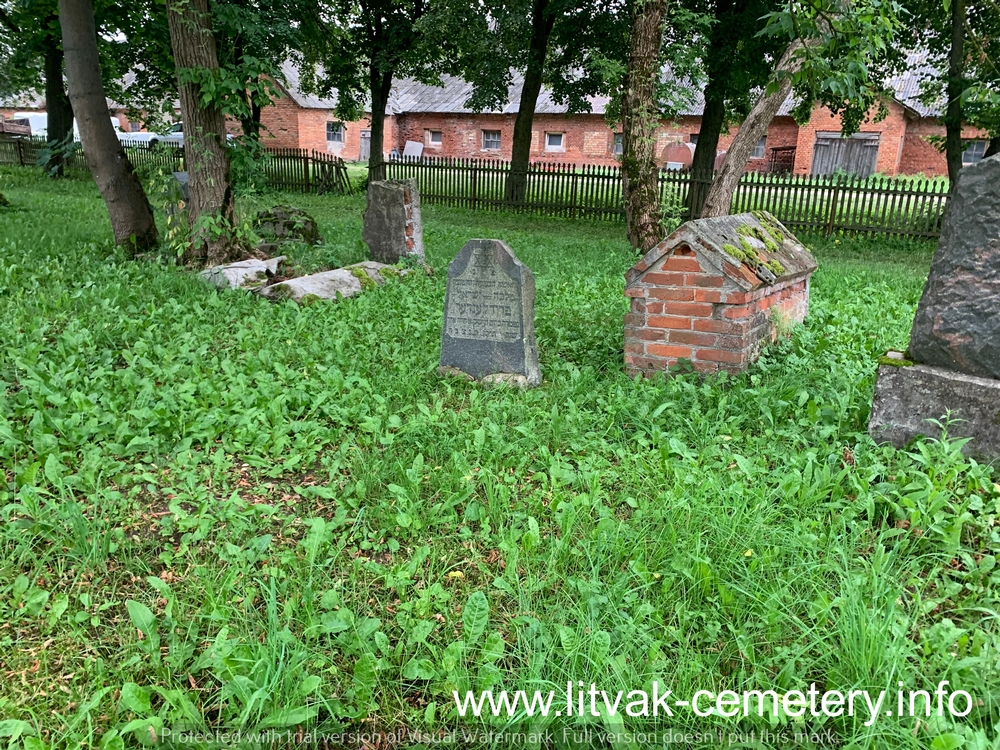
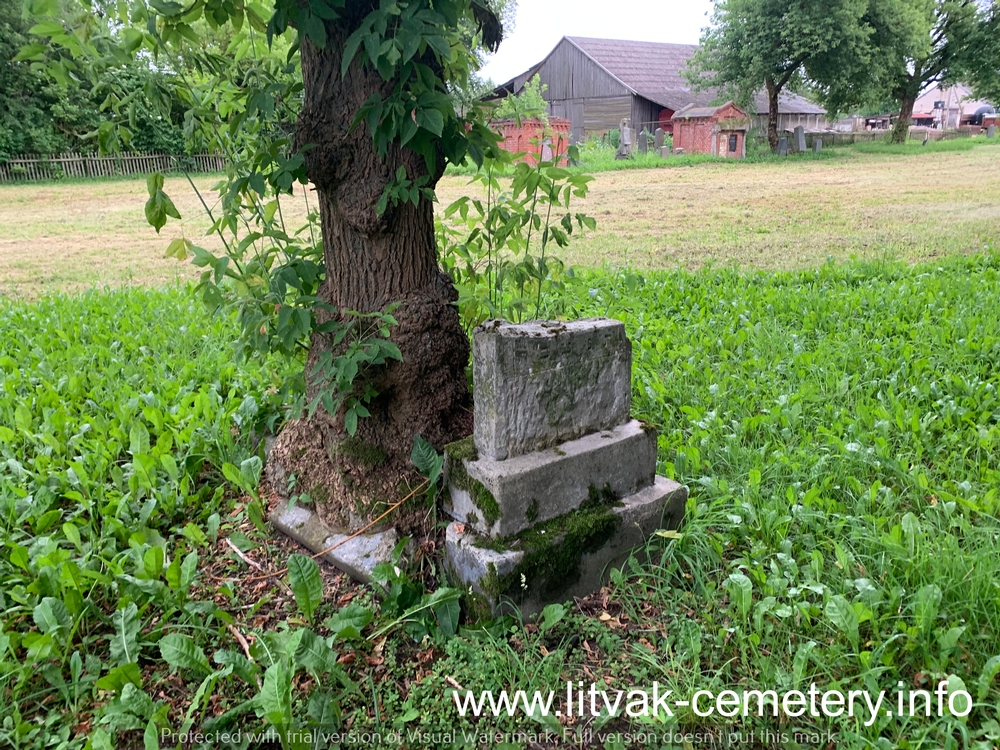
The current fence marks only a portion of the historic cemetery. As early as 2012, an inspection revealed that many gravestones are located outside the fenced-in area. Stone gravestones of various shapes and sizes with Hebrew inscriptions were found there, as well as three gravestone structures shaped like small houses. A surviving red-brick fence post and a row of linden trees indicate the cemetery’s former boundaries.
In July 2026, the Jewish cemetery in Virbalis was documented by Maceva and volunteers—members of the Virbalis community “Virbalio vartai.” A total of 298 surviving gravestones were recorded—both in the fenced-in section of the cemetery and in the part located outside the current fence.
The documentation efforts were supported by the Goodwill Foundation and the Embassy of the Federal Republic of Germany in Vilnius.
General view photos by M. Jakulytė, 2022
LT:
Žydai Virbalyje pradėjo kurtis XVII a. antrojoje pusėje. Ilgainiui jų bendruomenė tapo svarbia miesto ekonominio, visuomeninio ir kultūrinio gyvenimo dalimi. 1886 m. Virbalyje gyveno 1 253 žydai – pusė visų miestelio gyventojų. 1923 m. surašymo duomenimis, iš 4 018 Virbalio gyventojų 1 233 buvo žydai.
Virbalio žydai vertėsi prekyba, amatais, žemės ūkiu ir pramone. Mieste veikė jų krautuvės, kepyklos, dirbtuvės, maldos namai, labdaros organizacijos ir mokyklos. Žydai dalyvavo ir miesto savivaldoje, savanorių ugniagesių veikloje. Tarpukariu Virbalyje veikusi hebrajų gimnazija pritraukdavo mokinių ir iš aplinkinių miestelių. Visa tai liudija, kad žydų bendruomenė buvo neatskiriama Virbalio gyvenimo dalis.
Manoma, kad Virbalio žydų kapinėse pradėta laidoti XVIII a. pirmojoje pusėje: čia buvo aptiktas antkapis su 1735 m. data. Gali būti, kad kapinės įkurtos dar senesnėje žydų laidojimo vietoje. XIX a. aštuntajame dešimtmetyje bendruomenė kapines aptvėrė. Virbalio žydai jose buvo laidojami iki Antrojo pasaulinio karo.
Dabartinė tvora žymi tik dalį istorinių kapinių. Dar 2012 m. apžiūros metu nustatyta, kad daug antkapinių paminklų yra ir už aptvertos teritorijos. Ten aptikta įvairių formų ir dydžių akmeninių antkapių su hebrajiškais įrašais, taip pat trys namelio pavidalo antkapiniai statiniai. Apie ankstesnes kapinių ribas byloja išlikęs raudonų plytų tvoros stulpas ir liepų eilė.
2026 m. liepos mėnesį Virbalio žydų kapines dokumentavo Maceva ir savanoriai – Virbalio bendruomenės „Virbalio vartai“ nariai. Iš viso užfiksuoti 298 išlikę antkapiai – tiek aptvertoje, tiek už dabartinės tvoros esančioje kapinių dalyje.
Dokumentavimo darbus parėmė Geros valios fondas ir Vokietijos Federacinės Respublikos ambasada Vilniuje.
Bendro vaizdo nuotraukos M. Jakulytės, 2022